
The modern home office demands more than just a comfortable chair. Ergonomic considerations are paramount, especially for extended periods of sitting. A well-chosen footrest can significantly enhance comfort and posture, reducing the risk of discomfort and promoting better blood circulation. This guide delves into the critical aspects of selecting the right footrest for your home office, exploring diverse options, design considerations, and the long-term benefits for your well-being.
From basic designs to sophisticated adjustable models, the market offers a wide array of footrests catering to various needs and budgets. This in-depth analysis considers factors such as material, style, and adjustability, providing a comprehensive comparison table to help you navigate the choices.
Introduction to Footrests for Home Offices
Footrests have become an increasingly important component of ergonomic home office setups. Their inclusion addresses the often overlooked need for proper lower limb support, contributing to increased comfort and potentially mitigating long-term health risks associated with prolonged sitting. This comprehensive overview explores the diverse range of footrests available, their functionalities, and the factors to consider when selecting one for your home office.A well-designed footrest promotes better posture and circulation, which can lead to a more productive and comfortable work experience.
By providing a supportive platform for the feet, footrests help maintain a healthy angle for the legs, reducing strain on the lower back and promoting a more natural alignment of the spine. This, in turn, can minimize the risk of developing musculoskeletal problems, such as back pain, and improve overall well-being.
Types of Footrests
Footrests cater to a variety of needs and preferences. The market offers a diverse range of styles, each designed to address specific ergonomic requirements. This variety allows users to choose a footrest that best suits their individual needs and workspace.
Available Footrest Styles
- Elevated Platforms: These platforms offer a raised surface for the feet, promoting a more upright posture and encouraging better blood circulation. They often come in various heights and widths, allowing for customization to accommodate individual preferences.
- Adjustable Footrests: These footrests allow for adjustments in height and sometimes angle, providing greater flexibility in accommodating different users and tasks. This adaptability is particularly beneficial for those with varying needs or who frequently switch between tasks.
- Kneeling Footrests: These footrests incorporate a kneeling element into the design. They promote a more dynamic posture, often used in combination with a standing desk to reduce sitting time and encourage movement. This is especially useful for those who work in environments where long periods of sitting are common.
Materials Used in Footrest Construction
The materials used in constructing footrests significantly impact their durability, comfort, and aesthetic appeal. A variety of materials are employed, each with its unique set of characteristics.
- Wood: Natural wood footrests offer a warm and inviting aesthetic. Different types of wood, like oak or maple, may vary in durability and cost. Wood footrests often have a traditional look, complementing a variety of home office decors.
- Metal: Metal footrests are typically robust and durable, offering a modern or industrial aesthetic. Different metals, such as steel or aluminum, may vary in weight and their ability to conduct heat.
- Plastic: Plastic footrests are often lightweight and inexpensive, and available in a wide range of colors and styles. Their affordability makes them a popular choice for budget-conscious consumers.
- Leather: Leather footrests provide a premium feel and can be durable, depending on the type of leather used. Leather often offers superior comfort, and the variety of leather types and finishes adds to its aesthetic appeal.
Footrest Comparison Table
| Type | Material | Style | Price |
|---|---|---|---|
| Elevated Platform | Wood | Traditional | $50-$150 |
| Adjustable | Metal | Modern | $75-$200 |
| Kneeling | Plastic | Contemporary | $30-$100 |
| Elevated Platform | Leather | Luxury | $150-$300 |
Note: Prices are approximate and may vary based on brand, features, and retailer.
Design Considerations for Footrests
Footrests, often overlooked in home office setups, are crucial for sustained comfort and productivity. Properly designed footrests can alleviate foot and leg fatigue, contributing to a healthier and more efficient work environment. Ignoring ergonomic considerations can lead to discomfort, potentially impacting both physical and mental well-being.Ergonomic footrests are designed to support the natural posture of the feet and ankles, promoting blood circulation and reducing the strain on the lower back.
Effective footrests are more than just a place to rest the feet; they are a crucial element in creating a comfortable and productive workspace.
Ergonomic Considerations for Comfort
Footrests should promote proper alignment of the ankles, knees, and hips. This alignment minimizes stress on the joints and reduces the risk of developing musculoskeletal problems over time. Materials should be soft and supportive, allowing for proper blood circulation and avoiding pressure points. Features such as cushioning and adjustable angles are essential for accommodating individual needs. The ideal footrest will also promote a neutral posture, allowing for a balanced distribution of weight throughout the body.
Footrest Size and Shape
Selecting the right footrest size and shape is paramount for personalized comfort. Footrests should accommodate the full length of the feet, providing ample support without constricting blood flow. The shape should conform to the natural arch of the foot, avoiding pressure points. Consider the dimensions of your feet and the overall space available in your home office.
A footrest that is too small will not provide adequate support, while a footrest that is too large might feel awkward or unstable.
Adjustable Features for Personalized Comfort
Adjustable features are critical for individualizing footrest comfort. Adjustability in height, angle, and sometimes even width or depth allows users to tailor the footrest to their specific needs and preferences. This personalized comfort is vital in maintaining prolonged periods of work without discomfort. An adjustable footrest allows the user to match the angle of the footrest to the chair, reducing strain on the lower back and improving posture.
Footrest Height and Chair Height Relationship
The height of the footrest should be carefully considered in relation to the height of the chair. Ideally, the top of the footrest should be roughly level with the user’s knees. This allows for a relaxed posture and prevents strain on the hips and lower back. An appropriate height facilitates proper blood circulation and minimizes the strain on the legs.
If the footrest is too high, it will strain the knees, while if it’s too low, the legs might dangle, leading to discomfort.
Comparison of Adjustable and Non-Adjustable Footrests
| Feature | Adjustable | Non-Adjustable |
|---|---|---|
| Comfort | Highly customizable, accommodating diverse needs and postures. | Limited comfort options, potentially leading to discomfort for certain users. |
| Support | Optimized support due to personalized positioning. | Limited support, potentially not addressing individual postural needs. |
| Versatility | Adaptable to various chair heights and user preferences. | Limited to a fixed height and angle, less adaptable to changing needs. |
| Cost | Generally more expensive due to the added mechanisms. | Often more affordable due to simpler design. |
| Ergonomics | Excellent ergonomics for long-term use. | Potentially less ergonomic, leading to discomfort over extended periods. |
Material and Construction Analysis
Choosing the right materials for a home office footrest is crucial for both comfort and longevity. The selection process hinges on factors like durability, weight capacity, aesthetic appeal, and the overall user experience. Different materials offer distinct advantages and disadvantages, and understanding these nuances is key to making an informed purchase decision.The durability and lifespan of a footrest are directly tied to the material used in its construction.
A robust, well-built footrest can serve its purpose for years, providing consistent comfort and support. Conversely, a poorly constructed or cheaply made footrest will likely experience wear and tear more rapidly, leading to a shorter lifespan and potential discomfort for the user. Careful consideration of the material’s resistance to daily wear and tear is essential.
Material Durability and Lifespan
Various materials exhibit different degrees of durability and longevity. Wood, for instance, can offer a warm and natural aesthetic but may require more maintenance than metal or plastic. Metal footrests, on the other hand, are generally more resilient to daily wear and tear, often offering a longer lifespan. Fabric-covered footrests often prioritize comfort but may require more frequent cleaning and could have a shorter lifespan compared to metal or wood.
The specific type of fabric, its quality, and the overall construction methodology all play a role in determining its longevity.
Material Strength and Weight Capacity
The ability of a footrest to support a user’s weight is a critical aspect of its functionality. A footrest that is not robust enough could quickly become uncomfortable or even dangerous. The strength and weight capacity of a material significantly influence its suitability for a home office footrest.
| Material | Strength | Weight Capacity (lbs) | Durability |
|---|---|---|---|
| Solid Wood (Maple, Oak) | High | 200-300 | High (with proper care) |
| Metal (Steel, Aluminum) | High | 250-400+ | Very High |
| Fabric-covered (padded) | Medium | 150-250 | Medium (dependent on fabric quality and padding) |
| Composite Materials (Plastic, Engineered Wood) | Medium-High | 180-350 | Medium-High |
Manufacturing Processes
The manufacturing processes used to create footrests significantly impact their quality and longevity. Different materials require specific manufacturing techniques to ensure the desired strength, stability, and comfort. For instance, wood footrests may be crafted using traditional joinery methods or modern woodworking techniques, each influencing the final product’s quality and longevity. Metal footrests might involve welding, casting, or other metalworking processes.
Fabric-covered footrests often incorporate sewing and padding techniques, impacting comfort and longevity. Understanding these manufacturing processes provides insight into the potential for durability and overall quality.
Footrest Features and Functionality
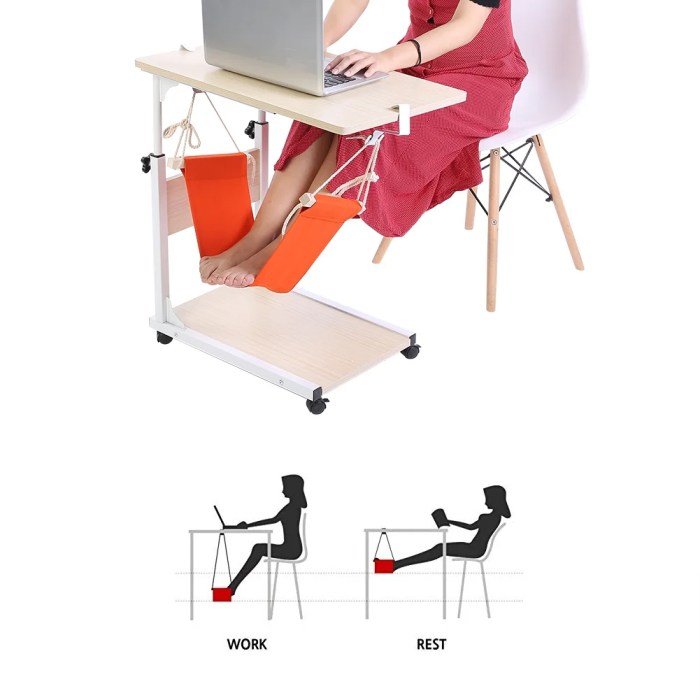
Ergonomic footrests are increasingly recognized as essential components of a comfortable and productive home office setup. Beyond basic support, modern footrests offer a range of features designed to enhance user well-being and alleviate common workplace-related discomfort. This section delves into the key features and functionality of these specialized furniture items.
Common Features
Home office footrests commonly incorporate adjustable features to cater to individual preferences and body types. Height adjustments are ubiquitous, enabling users to position their feet at the ideal angle for circulation and posture. Tilt mechanisms allow for variations in foot angle, providing additional support and comfort. Massage functions, while not universal, are becoming more prevalent. These features are not simply aesthetic additions; they are instrumental in minimizing strain on the lower body and promoting overall well-being.
Adjustable Height and Tilt Mechanisms
The adaptability of height and tilt mechanisms in footrests is critical. Adjustable height allows users to find a comfortable position that aligns their feet with the hips and knees. This proper alignment reduces strain on the lower back and promotes better posture. Tilt adjustments further refine the ergonomic experience, enabling users to customize the angle of their feet for optimal blood circulation and relaxation.
These adjustments are particularly important for individuals with varying leg lengths or those who experience discomfort from prolonged sitting. A well-designed tilt mechanism should provide smooth and effortless adjustment, preventing any jarring or sudden movements.
Massage Functions
Massage functions, while not a universal feature, can significantly enhance the relaxation benefits of a footrest. These functions often involve vibrating or kneading mechanisms that stimulate blood flow and alleviate muscle tension. Incorporating massage elements can help reduce the effects of prolonged sitting, contributing to a more comfortable and productive work experience. The intensity and type of massage can often be adjusted to cater to individual preferences.
For example, some footrests offer different massage modes, such as shiatsu or Swedish techniques.
Stability and Support
Robust stability and supportive construction are paramount in a footrest. A footrest that rocks or shifts while in use can cause discomfort and disrupt the user’s focus. Solid construction, with materials such as durable hardwoods or metal frames, ensures the footrest can bear weight without compromising its integrity. The support provided by the footrest should evenly distribute weight across the foot and ankle.
The shape and design of the footrest play a critical role in providing adequate support for the entire foot.
Features and Benefits Table
| Feature | Benefit |
|---|---|
| Adjustable Height | Allows for personalized positioning to promote proper posture and circulation. |
| Adjustable Tilt | Enables users to customize the angle of their feet for optimal support and comfort. |
| Massage Function | Stimulates blood flow, alleviates muscle tension, and enhances relaxation. |
| Stable Construction | Ensures the footrest can bear weight without compromising its integrity or causing discomfort. |
| Supportive Design | Evenly distributes weight across the foot and ankle, minimizing pressure points. |
Comfort and Health Benefits of Using a Footrest

Proper foot support is crucial for maintaining good posture and overall well-being, especially in a home office setting where prolonged sitting is common. Ignoring foot health can lead to a cascade of physical issues, from minor discomfort to more serious conditions. A thoughtfully designed footrest can significantly improve comfort and reduce the risk of these problems.A footrest acts as a critical link in the chain of musculoskeletal support, promoting a healthy posture and reducing strain on the lower body.
By elevating the feet to a comfortable height, footrests help maintain proper alignment of the ankles, knees, and hips, preventing the development of postural issues. This alignment reduces the pressure and strain on joints, diminishing the risk of chronic pain and discomfort.
Relationship Between Footrest Use and Posture
Footrests play a pivotal role in supporting a healthy posture. When feet are supported at a proper height, the entire body’s alignment is improved. This improved alignment minimizes strain on the spine and associated muscles, reducing the likelihood of developing back pain and other posture-related issues. Incorrect posture, particularly during prolonged sitting, can contribute to spinal curvature and muscle tension.
A footrest helps counteract these tendencies by encouraging a more neutral spine position.
Alleviating Foot and Leg Pain
Prolonged sitting without adequate support can cause significant discomfort in the feet and legs. Footrests alleviate this discomfort by providing a supportive platform for the feet, taking pressure off the soles and reducing the risk of foot and leg pain, including cramping, swelling, and numbness. This is particularly important for individuals with pre-existing conditions such as plantar fasciitis or other foot ailments.
By elevating the feet, a footrest facilitates improved blood circulation, further contributing to reduced discomfort.
Impact of Prolonged Sitting Without a Footrest on Health
Prolonged sitting without a footrest can have a detrimental impact on overall health. The lack of support can lead to poor posture, placing stress on the spine, neck, and other joints. This prolonged stress can contribute to muscle stiffness, soreness, and even chronic pain. Further, inadequate blood circulation in the lower extremities can lead to numbness, swelling, and an increased risk of deep vein thrombosis (DVT), particularly in individuals who are sedentary for extended periods.
Examples of Posture Issues Mitigated by a Footrest
A footrest can significantly help mitigate several posture issues commonly associated with prolonged sitting. For instance, it can help prevent slouching, a common postural issue that places excessive stress on the back and neck. Additionally, it can improve hip alignment, preventing the development of hip pain and discomfort. Poor posture, particularly in individuals who spend long hours working at a desk, can also contribute to neck pain and headaches.
Using a footrest can contribute to a more upright posture, thereby reducing these issues.
Importance of Blood Circulation and How Footrests Contribute
Maintaining good blood circulation is essential for overall health. Prolonged sitting can restrict blood flow to the lower extremities, leading to discomfort and potential health risks. Footrests help alleviate this issue by elevating the feet, improving blood circulation and reducing the risk of varicose veins and other circulation-related problems. Proper circulation is critical for delivering oxygen and nutrients to the tissues, promoting overall well-being and reducing the risk of various health issues.
Footrest Selection Guide

Choosing the right footrest for your home office is crucial for maintaining comfort and preventing potential health issues. A well-designed footrest can significantly improve posture and reduce strain on your lower back, legs, and feet, contributing to a more productive and comfortable work environment. Careful consideration of various factors, from materials to features, ensures a long-term investment that aligns with individual needs.Evaluating footrest options requires a systematic approach.
This guide provides essential criteria to consider, allowing you to make an informed decision. Understanding the nuances of different footrests enables you to select one that effectively supports your needs and enhances your work experience.
Evaluating Different Footrest Options
A thorough evaluation process involves considering the footrest’s design, material, and features. Different designs cater to diverse needs, from simple, adjustable models to more elaborate options with massage functions. Material choices impact durability, comfort, and potential health risks. Essential features like adjustability, size, and storage solutions must also be assessed.
Key Factors to Consider Before Purchasing
Several key factors play a crucial role in the selection process. Firstly, the dimensions of the footrest should match the user’s foot size and leg length for optimal support. Secondly, the material must be durable and comfortable for extended use. Thirdly, the adjustability of the footrest is critical for accommodating different sitting positions and preferences. Lastly, consider factors like storage options and potential for easy cleaning or maintenance.
Checklist for Comparing Different Footrest Models
A comparative checklist aids in systematically evaluating various models. Key elements to include are:
- Dimensions: Ensure the footrest’s length and width are appropriate for your needs, allowing for comfortable placement of your feet.
- Material: Evaluate the durability and comfort of the material. Consider factors such as hygiene, potential for allergic reactions, and ease of cleaning.
- Adjustability: Assess the range of adjustment options. Can the footrest be tilted or adjusted to different heights? This adaptability is vital for optimal support.
- Features: Examine features like massage functions, built-in heating elements, or additional storage options. These enhancements may add value, but should be weighed against cost and necessity.
- Stability: Ensure the footrest is stable and does not wobble or shift during use. This prevents accidents and maintains a secure support system.
Importance of User Reviews and Ratings
User reviews and ratings offer valuable insights into real-world experiences with different footrest models. They provide firsthand accounts of comfort, durability, and functionality, which can be crucial in making a well-informed decision. Pay attention to common complaints or praise regarding the footrest’s design and practicality.
Essential Features for a Good Footrest
A good footrest should integrate several essential features for maximum comfort and practicality. These include:
- Adjustability: A footrest with adjustable height allows users to customize the support to their specific needs and preferences.
- Durability: The material should withstand daily use without showing signs of wear or damage quickly.
- Comfort: The design and materials should promote comfort for prolonged periods of sitting.
- Portability: If the footrest is intended for use in multiple locations, ease of transport should be considered.
- Sturdiness: A stable base prevents wobbling, enhancing safety and comfort.
Footrest Maintenance and Care
Proper maintenance of a home office footrest ensures its longevity and continued comfort. Neglecting care can lead to premature wear and tear, compromising the footrest’s effectiveness and potentially impacting your posture and well-being. A well-maintained footrest contributes to a productive and healthy work environment.Maintaining a footrest involves regular cleaning, preventing damage, troubleshooting issues, and proper adjustment. These practices safeguard your investment and contribute to sustained comfort and health benefits.
Cleaning and Maintaining Different Footrest Materials
Different materials require specific cleaning methods to prevent damage and maintain their aesthetic appeal. Careless cleaning can diminish the footrest’s lifespan and compromise its structural integrity. Understanding the material’s composition is crucial for selecting the right cleaning agents and techniques.
| Material | Cleaning Procedures |
|---|---|
| Leather | Use a soft, damp cloth to wipe away dirt and dust. Avoid harsh chemicals or abrasive cleaners. For stubborn stains, use a leather cleaner specifically designed for the type of leather. Periodically condition the leather to maintain its suppleness and prevent cracking. |
| Fabric (e.g., microfiber, suede) | Spot clean any spills immediately. For general cleaning, use a vacuum cleaner with a soft brush attachment to remove dust and debris. Use a fabric-specific cleaner for tougher stains, following the product instructions carefully. Avoid excessive moisture, which can damage the fabric and cause mildew. |
| Wood | Dust regularly with a soft cloth or a duster. For spills, blot the affected area immediately with a clean, absorbent cloth. Avoid using harsh chemicals or excessive water. For more stubborn stains, consult with a professional wood furniture cleaner. |
| Metal (e.g., aluminum, steel) | Clean with a damp cloth and mild dish soap. Avoid abrasive cleaners that can scratch the surface. For stubborn stains, use a metal polish specifically designed for the type of metal. |
| Plastic | Wipe clean with a damp cloth and mild dish soap. Avoid using abrasive cleaners or scouring pads that can scratch the surface. For stubborn stains, use a plastic cleaner, following the product instructions carefully. |
Preventing Footrest Damage
Proper usage and storage practices are essential to prevent damage. A footrest that’s not treated with care can easily become damaged. Understanding the potential hazards allows for proactive measures to prevent problems.
- Avoid placing heavy objects on the footrest.
- Protect the footrest from sharp objects or impacts.
- Ensure the footrest is placed on a stable surface to prevent tipping.
- Store the footrest in a dry, dust-free location when not in use.
Troubleshooting Common Footrest Issues
Recognizing and addressing minor issues promptly can prevent major problems. Early intervention often leads to cost-effective solutions.
- Squeaking or creaking sounds: This often indicates loose components. Check for loose screws or hinges and tighten them as needed.
- Uneven height or tilting: This could be due to a damaged frame or legs. Consult with a repair professional if the problem persists after adjusting the footrest.
- Cracks or tears: Depending on the material and severity, these can often be repaired by a professional.
- Stains or discoloration: Address these promptly using the appropriate cleaning methods for the footrest material.
Adjusting the Footrest Properly
Correct adjustment of the footrest is crucial for maximizing comfort and postural support. Appropriate positioning helps maintain good posture, which is key to preventing back pain and other discomfort.
- Adjust the footrest to a height that allows your feet to rest comfortably and maintain a 90-degree angle with your thighs.
- Ensure that the footrest is placed directly under your feet, supporting your ankles and legs evenly.
- Consider the position of your chair and adjust the footrest to maintain a comfortable and balanced posture.
Comparison of Different Brands
Navigating the home office furniture market can be daunting, especially when choosing a footrest. A plethora of brands offer footrests, each promising comfort and support. Understanding the strengths and weaknesses of different brands is crucial for making an informed purchase decision, ensuring long-term satisfaction and ergonomic benefits.
Brand Quality and Reputation
Assessing brand reputation involves considering factors beyond price. A strong reputation often signifies consistent quality, reliable customer service, and a commitment to product durability. Brands with established track records in the furniture industry often demonstrate a deeper understanding of ergonomic principles and manufacturing processes. Independent reviews and customer testimonials provide valuable insights into the practical experiences of footrest users, offering valuable information on the comfort, stability, and longevity of different products.
Warranty Analysis
Warranty policies reflect a brand’s confidence in its product’s quality and longevity. A robust warranty period often indicates a commitment to customer satisfaction and product durability. The specific terms of the warranty, such as coverage for manufacturing defects or wear and tear, are critical considerations. For example, a longer warranty on a footrest could signal that the brand anticipates minimal issues with its design and materials, potentially translating into greater peace of mind for the consumer.
Comparative Analysis of Footrest Brands
| Brand | Strengths | Weaknesses |
|---|---|---|
| Ergodyne | Known for its commitment to ergonomics and safety. Often features robust construction and adjustable designs, catering to diverse needs. Positive customer feedback often emphasizes durability. | Pricing may be higher than some competitors. Availability of certain models may be limited in some regions. |
| Amazon Basics | Offers a cost-effective option for basic footrests. Generally well-received for the value proposition, providing a simple and functional solution. | Durability and long-term comfort might be less impressive compared to higher-priced alternatives. Customization options are often limited. |
| Hbada | A popular choice for its adjustable design and comfort features. Frequently praised for its affordability and user-friendly functionality. | Customer reviews sometimes highlight concerns about the longevity of the materials. Some users have reported issues with the stability of the footrest over time. |
| Fellowes | Recognized for its reliable and efficient design in office products. Offers a wide range of footrests to suit various user preferences. Positive reputation for stability and sturdiness. | The pricing may be slightly higher than some budget-friendly options. Customer reviews may not be as extensive as some other brands. |
| Haworth | Renowned for its focus on high-quality office furniture. Often praised for its innovative design, exceptional comfort, and superior build quality. Customer feedback often reflects the commitment to ergonomics. | The premium price point may be a deterrent for some consumers. Customization options may not be as readily available as in some lower-priced brands. |
Future Trends in Footrest Design
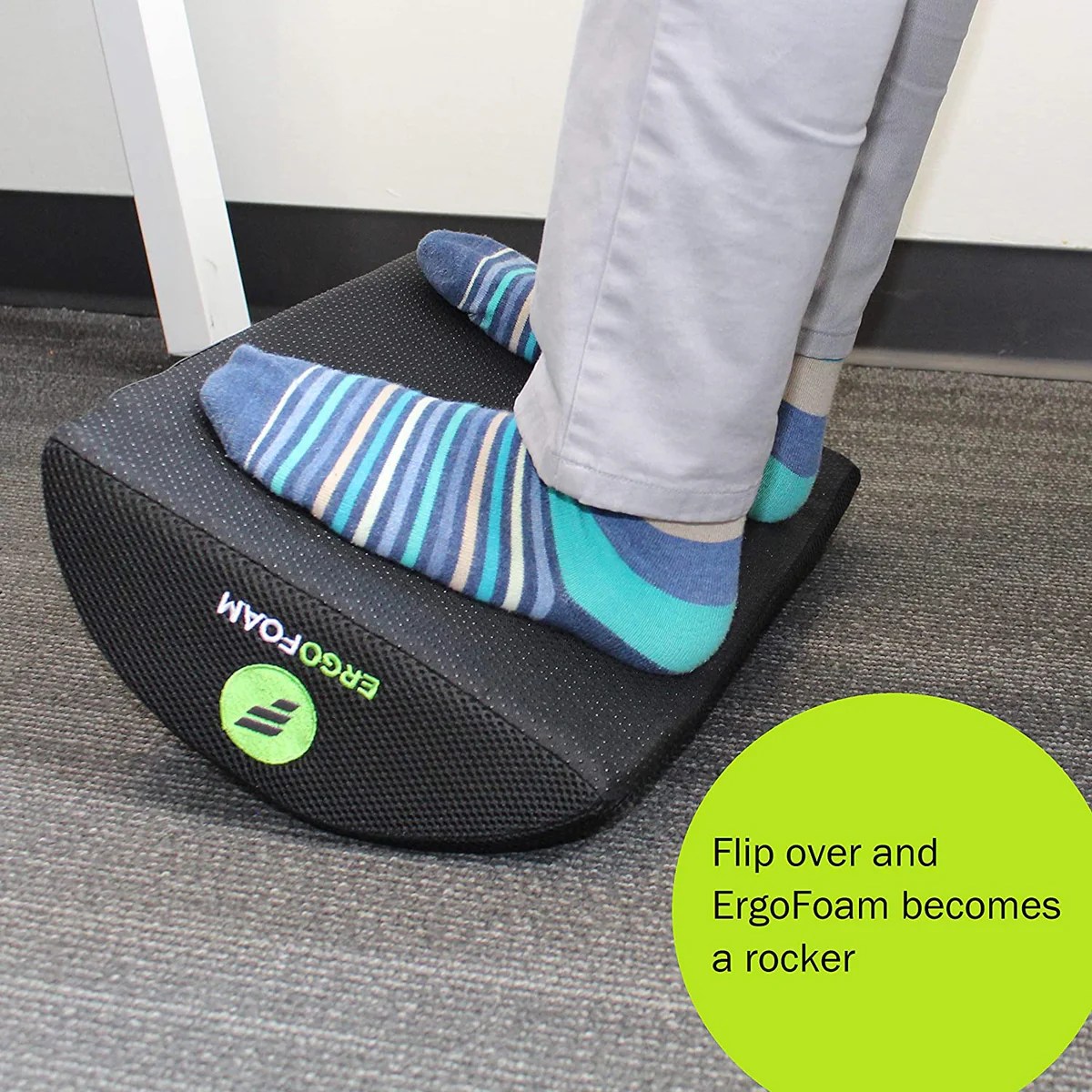
The home office, increasingly a central hub for work and leisure, demands ergonomic solutions that promote well-being. Footrests, often overlooked, are crucial for sustained comfort and injury prevention. Emerging trends in materials, technology, and design are poised to revolutionize these essential accessories, enhancing user experience and overall health.Future footrests will likely incorporate advancements in sensing and feedback mechanisms, adapting to individual needs in real-time.
This dynamic approach will personalize the user experience and promote better posture.
Emerging Materials and Technologies
Materials like advanced polymers and memory foam are already transforming the industry. The future will likely see the integration of bio-based materials, minimizing environmental impact while maintaining comfort and durability. Smart materials, responsive to body temperature and pressure, will also play a crucial role. Active heating and cooling elements, embedded within the footrest, could offer customized temperature control, addressing issues of cold or warm feet, and improving blood circulation.
This feature would especially appeal to those working long hours or experiencing discomfort from fluctuating environmental temperatures.
Innovative Features and Design Considerations
The integration of posture-correcting mechanisms, potentially through subtle vibrations or pressure points, will likely become more sophisticated. These subtle adjustments would promote better alignment and prevent postural strain, thus enhancing overall well-being. The development of footrests with adjustable height and angle, capable of seamlessly adapting to different chair configurations, is another key trend. These adaptable designs address the variability of user preferences and needs, catering to the diverse demands of a modern workplace.
Hypothetical Footrest Design
Imagine a footrest crafted from a breathable, bio-based polymer. Embedded within the material are sensors that detect pressure points and adjust the internal temperature of the footrest in real-time. The footrest features a motorized, adjustable angle and height mechanism, enabling users to fine-tune the support to their specific needs. The design also incorporates subtle vibration patterns triggered by the sensors, promoting better circulation and preventing stiffness.
This dynamic support system will likely be controlled via a smartphone app, allowing users to customize settings and monitor usage patterns. The app would provide insights into posture, encouraging healthier habits. The embedded heating and cooling system would be managed through the app, ensuring the user’s feet remain at an optimal temperature. This advanced footrest would seamlessly integrate into the modern home office, enhancing productivity and well-being.
Final Review
In conclusion, selecting the right footrest for your home office is a crucial investment in your long-term well-being. By considering ergonomics, material quality, and adjustable features, you can enhance comfort, mitigate posture issues, and improve blood circulation. This guide provides a practical framework for informed decision-making, ensuring a productive and comfortable work environment. Ultimately, a thoughtfully chosen footrest contributes significantly to overall health and productivity.
