
Embroidered lampshades are more than just decorative pieces; they are statements of artistic expression, seamlessly blending intricate craftsmanship with ambient lighting. From delicate floral patterns to bold geometric designs, these bespoke creations transform any space, offering a unique touch of elegance and a warm glow. Understanding the artistry behind their creation, from the choice of materials to the subtle interplay of light and shadow, is key to appreciating the true value of embroidered lampshades.
The meticulous process of crafting embroidered lampshades, encompassing diverse techniques and considerations, makes each one a singular piece. This detailed exploration delves into the design considerations, production methods, and the impact these exquisite lampshades have on interior design, illuminating a world of creative possibilities.
Overview of Embroidered Lampshades
Embroidered lampshades, far from mere decorative items, represent a rich tapestry of artistry, craftsmanship, and historical evolution. Their aesthetic appeal transcends simple illumination, offering a captivating blend of texture, color, and design that can transform a room’s ambiance. These unique lampshades, often meticulously crafted with various embroidery techniques, are capable of adding a personalized touch to any space, whether in a modern contemporary home or a traditional setting.Beyond their aesthetic value, embroidered lampshades can also serve as heirloom pieces, passed down through generations, each stitch telling a story of cultural heritage and personal expression.
Their intricate designs and delicate craftsmanship make them a valuable addition to a home, enhancing the overall artistic quality of the space and adding an element of visual interest to the room.
Embroidery Techniques
Embroidered lampshades utilize a diverse array of embroidery techniques, each contributing to the unique aesthetic of the finished product. These techniques range from the simple, like running stitch and back stitch, to more complex patterns involving satin stitch, French knots, and chain stitch. The choice of technique directly influences the texture, density, and overall visual appeal of the lampshade.
The selection of techniques can also influence the cost of the lampshade, with more complex techniques often leading to higher production costs.
- Running stitch: A fundamental embroidery technique involving a continuous stitch that traces a design or Artikel. This straightforward method is often used for creating basic shapes or filling in areas of the design.
- Back stitch: A robust and durable stitch where the needle passes back through the fabric, creating a visible line of stitching. It’s frequently used for outlining shapes and creating solid lines within the design.
- Satin stitch: A technique that creates a smooth, even surface by closely spaced stitches laid parallel to each other, often used for creating intricate patterns and filling areas of the design.
- French knots: Small, raised knots that are used for adding depth and texture to the design. These knots can be used to create highlights or to add a sense of dimension to floral patterns or other detailed elements.
- Chain stitch: A technique where the needle creates a series of connected loops, often used for creating decorative borders or patterns.
Historical Context
Embroidered lampshades have a rich history, evolving alongside the development of embroidery techniques and changing societal aesthetics. Their use as decorative elements reflects shifting cultural preferences and artistic trends throughout the centuries. The intricate designs and techniques employed in older lampshades often provide valuable insights into the cultural heritage of the time.
- Early examples: In ancient civilizations, textiles and embroidery were essential components of daily life, often used for practical purposes and decorative embellishments. The use of embroidery on lampshades emerged as a natural progression of these traditions.
- 19th and 20th centuries: The Victorian era witnessed a significant increase in the popularity of embroidered lampshades, which became a symbol of refined taste and craftsmanship. This trend continued through the 20th century, adapting to contemporary designs while maintaining the appeal of hand-crafted artistry.
- Contemporary designs: Modern interpretations of embroidered lampshades often incorporate contemporary designs and materials, blending traditional techniques with modern aesthetics. This evolution reflects the enduring appeal of this craft while adapting to contemporary preferences.
Materials
The selection of materials used in embroidered lampshades plays a crucial role in the finished product’s durability, texture, and aesthetic appeal. A variety of fabrics, threads, and other embellishments are employed to achieve the desired look and feel.
| Material | Description | Example Use |
|---|---|---|
| Cotton | A versatile and readily available natural fiber, offering a soft texture and durability. | Base fabric for various embroidery techniques. |
| Silk | A luxurious natural fiber known for its smoothness and sheen, commonly used for intricate designs. | Adding a touch of elegance to elaborate patterns. |
| Linen | A strong and durable natural fiber, suitable for creating textured lampshades. | Highlighting the structure and texture of the embroidery. |
| Metallic threads | Threads with metallic accents, adding a touch of sparkle and shine to the lampshade. | Creating accents or highlighting specific design elements. |
Design Considerations for Embroidered Lampshades

Embroidered lampshades, a unique blend of artistry and practicality, offer a compelling aesthetic solution for lighting design. Their intricate details, carefully curated color palettes, and strategic patterns create a captivating ambiance that transcends the purely functional. Beyond mere decoration, these lampshades become focal points, adding a touch of personality to any space.The visual appeal of embroidered lampshades is a confluence of carefully considered design elements.
The interplay of light and shadow, emphasized by the embroidery, creates a dynamic visual experience. Color palettes, patterns, and the interplay of lighting all converge to achieve the desired aesthetic. Thoughtful selection of these elements elevates the lampshade from a simple fixture to a statement piece.
Color Palettes
Color palettes in embroidered lampshades are critical to achieving the desired mood. A harmonious color scheme can evoke feelings of tranquility or excitement, depending on the chosen hues. Warm tones, such as terracotta and ochre, can create a cozy atmosphere, while cooler tones, like blues and greens, can promote a sense of calm. The selection of complementary or contrasting colors significantly impacts the lampshade’s overall aesthetic, influencing the way it interacts with the surrounding environment.
For instance, a deep indigo shade paired with creamy whites can create a sophisticated, regal ambiance.
Patterns and Motifs
Patterns and motifs in embroidered lampshades play a pivotal role in defining the lampshade’s character. Geometric patterns can evoke a sense of order and precision, while floral motifs can add a touch of natural beauty. Abstract patterns offer a more contemporary aesthetic, showcasing the lampshade’s artistic flair. The choice of pattern and motif is integral to the lampshade’s personality, reflecting the owner’s style and preferences.
A well-chosen pattern can seamlessly integrate the lampshade into a room’s existing décor.
Lighting and Its Impact
The choice of lighting significantly influences the perceived beauty of embroidered lampshades. Soft, ambient lighting can highlight the intricate details of the embroidery, while brighter, more focused light can emphasize the lampshade’s shape and color. Different lighting sources, such as incandescent, LED, or halogen, will produce distinct effects on the lampshade’s appearance. The subtle variations in light intensity and color temperature are crucial in maximizing the aesthetic impact of the embroidered design.
Incorporating Different Lighting Styles
Integrating various lighting styles with embroidered lampshades requires careful consideration. For example, a chandelier with warm, golden light will complement a lampshade with rich, warm colors and intricate floral patterns. Pendant lights with a cool, white light might be better suited to a lampshade with geometric patterns and bolder colors. The right lighting can either enhance or diminish the lampshade’s visual appeal.
Experimentation with different light sources is key to achieving the desired ambiance.
Embroidery Styles Comparison
| Style | Pros | Cons | Examples |
|---|---|---|---|
| French Knot | Creates rich texture, excellent for detailed patterns | Can be time-consuming, requires precision | Floral patterns, intricate designs |
| Cross Stitch | Structured, visually appealing, relatively fast to execute | May not be suitable for complex designs | Geometric patterns, symmetrical motifs |
| Appliqué | Allows for layering and creating dimensional designs, versatile | Requires additional fabric cutting and stitching | Embellished borders, intricate cut-outs |
| Embroidered Lace | Creates delicate and airy patterns, adds elegance | Can be challenging to achieve a consistent look | Shaded panels, decorative accents |
Embroidery styles each present distinct advantages and disadvantages for lampshade design. Careful consideration of the intended design and desired aesthetic is paramount in selecting the appropriate embroidery style.
Production Methods and Techniques
Embroidered lampshades, a fusion of artistry and practicality, demand meticulous craftsmanship. From the initial design sketches to the final, finished product, a complex interplay of techniques and tools shapes the final aesthetic. Understanding these methods is crucial for appreciating the artistry and for aspiring artisans.The production process, though intricate, is largely sequential. Each step, from pattern creation to the final mounting, contributes to the overall quality and appeal of the finished lampshade.
Different techniques offer varying advantages, allowing artisans to tailor their approach based on the complexity of the design and desired outcome. The challenges involved in creating intricate designs, particularly those demanding intricate patterns, necessitate a deep understanding of the materials and techniques employed.
Design and Pattern Creation
The initial design stage involves careful planning and execution. Sketches and digital renderings are pivotal in visualizing the final product. These visual aids help define the placement of embroidery, the thread colors, and the overall aesthetic. A digital drawing allows for easy adjustments and revisions, saving time and resources. The pattern is then transferred onto the lampshade’s fabric.
This stage necessitates precision and attention to detail, ensuring the embroidery is evenly spaced and aesthetically pleasing.
Embroidery Execution
Embroidery execution is a meticulous process. The chosen embroidery technique—such as satin stitch, cross stitch, or a custom design—dictates the tools and equipment required. Specialized embroidery hoops and needles are essential for achieving precise stitches. Thread selection is critical, as the thread’s quality, color, and texture directly impact the final look. Experienced artisans often use a combination of techniques for a unique and sophisticated finish.
Threads are carefully applied according to the design and pattern.
Mounting and Attachment
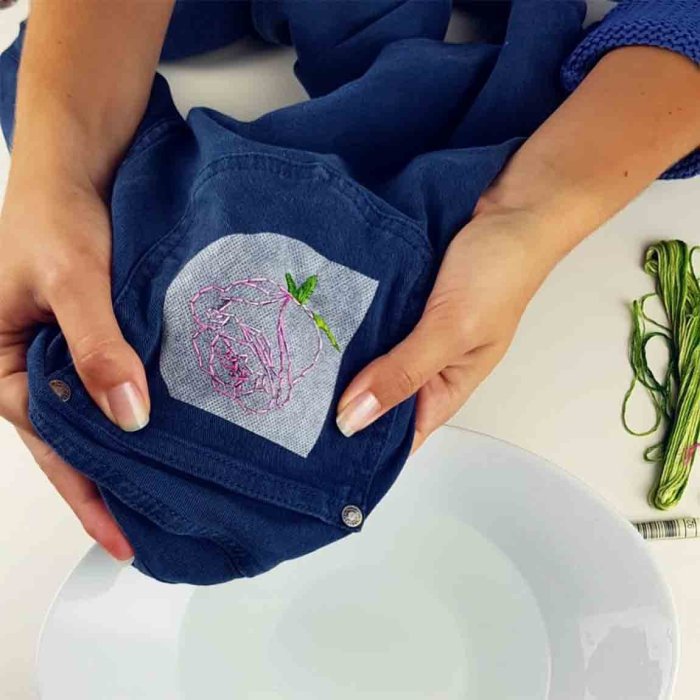
The mounting of the embroidery onto the lampshade frame is a crucial step. Different methods exist, each with its own advantages and disadvantages. For example, fusible interfacing can be used to adhere the embroidery to the fabric before mounting it onto the frame, while other techniques involve using specialized adhesives or sewing. The method selected depends on the type of fabric, the complexity of the design, and the desired durability of the lampshade.
Careful consideration must be given to the lampshade frame’s structure to ensure a secure and lasting attachment. The frame must be appropriately prepared, whether through pre-treatment or special supports.
Tools and Equipment
A variety of tools and equipment are employed throughout the production process. These include embroidery hoops, needles, scissors, thread cutters, and specialized equipment for specific techniques. Digital design software is becoming increasingly important for creating complex patterns. The quality and precision of these tools significantly influence the final outcome. Additionally, the quality of the fabric used is also important for both the embroidery and the lampshade frame.
Different fabrics require different handling and care.
Production Methods Comparison
Different production methods offer various advantages and disadvantages. Hand embroidery, while offering a high degree of artistry and control, is often time-consuming and requires significant skill. Machine embroidery, on the other hand, can expedite the process and potentially produce more uniform results, although it may not always capture the same level of intricate detail. The choice of method often depends on the project’s scope and the desired aesthetic.
Consider the level of detail required and the availability of the necessary tools and equipment.
Challenges in Creating Intricate Embroidered Lampshades
Creating intricate embroidered lampshades presents several challenges. Maintaining consistent stitch size and pattern placement over a large surface area can be demanding. The use of multiple colors and techniques can introduce additional complexity, requiring meticulous planning and execution. The precision required for achieving a flawless finish can lead to frustration and necessitate meticulous attention to detail at each stage.
Careful selection of materials and techniques can mitigate these challenges.
Step-by-Step Process for a Simple Embroidered Lampshade
- Design the Pattern: Create a simple design using digital software or sketching. Consider the lampshade’s shape and the desired aesthetic.
- Transfer the Pattern: Transfer the design onto the fabric using tracing paper or a similar method. Ensure the pattern is accurately positioned on the fabric.
- Prepare the Fabric: Pre-treat the fabric to ensure it’s ready for embroidery. This may involve washing, ironing, or other preparatory steps.
- Embroider the Design: Using appropriate embroidery tools and techniques, apply the design to the fabric. Maintain consistent stitch sizes and colors.
- Prepare the Lampshade Frame: Prepare the lampshade frame for the embroidered fabric. This may involve attaching a lining or other materials.
- Mount the Embroidery: Securely attach the embroidered fabric to the lampshade frame using a suitable mounting method.
- Final Inspection: Inspect the finished product for any flaws and make necessary adjustments.
Styles and Variations of Embroidered Lampshades
Embroidered lampshades, far from a mere decorative element, offer a nuanced reflection of artistic trends and cultural influences. Their evolving styles, from traditional to contemporary, reveal a rich tapestry of design choices and materials. This evolution is not simply about aesthetics; it also speaks to the interplay of cultural heritage, craftsmanship, and the ever-changing demands of the market.Beyond basic illumination, embroidered lampshades transform a room’s ambiance.
The careful selection of materials and intricate designs can dramatically alter the overall atmosphere. The beauty lies in the combination of delicate stitches, vibrant colors, and the interplay of light and shadow projected onto the fabric.
Styles of Embroidered Lampshades
Embroidered lampshades manifest a wide spectrum of styles, reflecting both historical traditions and contemporary aesthetics. Understanding these variations is key to appreciating the diversity and depth of the craft.
| Style | Description | Materials | Image Description |
|---|---|---|---|
| Traditional Floral | Featuring intricate floral patterns, often with a symmetrical design, often employing traditional embroidery techniques. | Silk, cotton, linen; often with metallic threads for accents; natural dyes | A lampshade with a rounded shape, showcasing a symmetrical pattern of meticulously embroidered flowers and leaves in varying shades of pastel colors. The embroidery appears dense and intricate, with clear lines and well-defined forms. |
| Geometric Abstract | Utilizing geometric shapes, patterns, and lines for a contemporary look, often incorporating bold colors. | Cotton, linen, synthetic fabrics; a wider variety of colors and threads. | A modern lampshade with a square shape, showcasing bold, geometric shapes in bright primary colors. The embroidery appears more structured and less dense than the traditional floral example, with emphasis on precise shapes and lines. |
| Cultural Inspired | Drawing inspiration from specific cultures, such as Indian, Moroccan, or Japanese, through patterns, colors, and motifs. | Local fabrics and materials; often with characteristic threads and colors specific to the cultural origin. | A lampshade with a conical shape, featuring an embroidered pattern reflecting Moroccan aesthetics, with stylized floral motifs, geometric patterns, and intricate calligraphy. The materials are likely natural fibers with rich, saturated colors that reflect the cultural heritage. |
| Modern Minimalist | Characterized by clean lines, simple patterns, and neutral colors, emphasizing the lampshade’s structural form. | Modern fabrics like linen, cotton, or silk; limited color palette; emphasis on clean lines and simplicity. | A lampshade with a simple, cylindrical shape, featuring subtle embroidery of minimalist lines or geometric shapes in a limited color palette, such as black, white, and gray. The embroidery is subtle and delicate, emphasizing the shape of the lampshade. |
Historical and Contemporary Examples
Examples of embroidered lampshades span centuries. Victorian-era examples often feature elaborate floral designs and intricate details. Contemporary designs may incorporate geometric patterns, abstract forms, or even quotations from famous literary works. These styles are not mutually exclusive and often blend to create unique artistic expressions.
Cultural Influences
Cultural influences are deeply embedded in embroidered lampshade designs. For instance, traditional Japanese lampshades may feature motifs reflecting the country’s rich artistic heritage. Similarly, Moroccan lampshades often exhibit intricate patterns reflecting the country’s artistic traditions. These designs often reflect cultural values and aesthetic sensibilities, transforming the lampshade into a portable representation of cultural identity.
Comparison of Styles
Traditional embroidered lampshades often prioritize intricate details and rich color palettes, while modern designs often lean towards clean lines, bold colors, and abstract patterns. This difference reflects the evolving aesthetic sensibilities and available materials. The use of materials also changes.
Unique Design Elements
Adding unique elements to embroidered lampshades involves exploring unconventional materials, colors, or techniques. Incorporating metallic threads, sequins, or beads can elevate the design’s visual appeal. Likewise, incorporating different types of embroidery, such as drawn thread or couching, can add depth and complexity to the overall design.
Materials and Sourcing

Embroidered lampshades, a sophisticated lighting solution, demand meticulous attention to material selection. The interplay of fabric, thread, and frame dictates the aesthetic appeal, durability, and ultimately, the value proposition of the final product. Careful sourcing of these components is crucial for maintaining quality and ethical standards.The choice of materials directly influences the overall look, feel, and lifespan of an embroidered lampshade.
High-quality materials contribute to a superior product, fostering customer satisfaction and brand reputation. Moreover, ethical and sustainable sourcing practices are increasingly important in the modern market, reflecting consumer demand for responsible production methods.
Fabric Selection for Embroidered Lampshades
Fabric selection for embroidered lampshades is pivotal, as it determines the overall aesthetic and structural integrity of the final product. The fabric’s texture, drape, and color will significantly influence the design’s success. A smooth fabric, for example, will allow intricate embroidery to stand out, while a textured fabric can add depth and visual interest.
- Cotton, a classic choice, offers a soft, breathable feel and is readily available in various colors. Its affordability makes it a popular option for budget-conscious designs. However, its tendency to wrinkle may require careful consideration in the design process.
- Silk, renowned for its luxurious sheen, provides a captivating drape and depth of color. However, its higher cost and more delicate nature necessitate specialized handling and care.
- Linen, known for its natural strength and unique texture, creates a rustic and elegant look. Its subtle irregularities enhance the handcrafted feel of embroidery. Linen’s inherent absorbency needs to be factored into the design and production process.
- Velvet, with its plush texture and rich appearance, creates a dramatic and opulent feel. Its substantial weight may necessitate a sturdier frame to maintain the lampshade’s shape. Velvet’s intricate texture can make embroidery more challenging, requiring specialized techniques.
Thread Selection for Embroidered Lampshades
Thread selection is critical for achieving the desired aesthetic and durability. The thread’s type, color, and thickness will significantly impact the final appearance and longevity of the embroidered design. Consideration must be given to the specific embroidery technique employed and the overall design.
- Cotton embroidery thread, readily available and affordable, is suitable for a wide range of designs and embroidery techniques.
- Silk embroidery thread, known for its luster and richness, enhances the aesthetic appeal of intricate designs. Its higher cost reflects its superior quality.
- Metallic embroidery thread adds a touch of glamour and visual interest to the design. Its reflectivity must be considered in the design’s overall aesthetic.
- Polyester thread, with its durability and resilience, is ideal for projects requiring resistance to wear and tear. Its lack of sheen might limit its application in certain designs.
Frame Materials for Embroidered Lampshades
The frame plays a crucial role in supporting the embroidered lampshade and maintaining its shape. Its material should be durable and compatible with the fabric and design. Factors such as weight, aesthetic, and cost should be carefully considered.
- Wood frames offer a classic and natural look, often paired with cotton or linen fabrics.
- Metal frames, available in various finishes, provide a modern or traditional feel, often complementing silk or velvet lampshades.
- Plastic frames, lightweight and affordable, are suitable for budget-conscious designs. Their durability should be assessed based on the expected usage.
Sustainable and Ethical Sourcing
Sustainable and ethical sourcing is paramount in today’s market. Prioritize suppliers committed to fair labor practices and environmentally responsible production methods. Transparency in the supply chain is essential to verify the ethical origins of materials.
- Look for suppliers who use organic or recycled materials.
- Seek certifications that verify sustainable and ethical practices.
- Evaluate the environmental impact of the material’s production and disposal.
Material Supplier List
- Fabric Suppliers: [List of reputable fabric suppliers]
- Thread Suppliers: [List of reputable thread suppliers]
- Frame Suppliers: [List of reputable frame suppliers]
Fabric Comparison Table
| Fabric | Texture | Cost | Care |
|---|---|---|---|
| Cotton | Soft, Breathable | Low | Machine washable |
| Silk | Luxurious, Smooth | High | Dry clean recommended |
| Linen | Natural, Textured | Medium | Machine wash cold, air dry |
| Velvet | Plush, Rich | High | Dry clean recommended |
Market Trends and Future of Embroidered Lampshades

Embroidered lampshades, once a niche decorative element, are experiencing a resurgence, driven by a renewed appreciation for handcrafted artistry and bespoke design. This resurgence aligns with broader consumer trends favoring unique, personalized products and environmentally conscious choices, factors that are shaping the future of this sector. The market is evolving, influenced by both traditional craft techniques and innovative technologies.Embroidered lampshades are increasingly viewed as a valuable addition to interior design, offering a blend of aesthetic appeal and a tactile element.
The meticulous craftsmanship involved in embroidery adds a premium to the product, positioning it as a desirable decorative item. This desirability translates into higher price points and potentially higher profit margins for producers.
Current Market Trends
The current market for embroidered lampshades is marked by a growing demand for bespoke designs and unique styles. Consumers are seeking items that reflect their personal taste and add a touch of artistry to their homes. This translates to a preference for intricate patterns, custom embroidery, and a wide array of color palettes.
Popular Styles and Designs
Several styles and designs are gaining traction in the embroidered lampshade market. Geometric patterns and abstract art are highly sought-after, reflecting a contemporary aesthetic. Floral and nature-inspired designs remain popular, appealing to those who prefer a more traditional or romantic touch. Furthermore, designs incorporating cultural or ethnic motifs are gaining recognition, adding an element of global inspiration to the space.
The increasing use of mixed media techniques, incorporating beads, sequins, or other embellishments, is also contributing to the diversity and uniqueness of the product.
Potential for Growth and Innovation
The potential for growth in the embroidered lampshade market is substantial, driven by the ongoing trend toward personalization and handmade items. Innovations in materials and techniques could significantly expand the market. The use of sustainable materials, such as organic cotton or recycled fabrics, is becoming increasingly important, catering to environmentally conscious consumers.
Technology’s Influence
Technology could play a significant role in shaping the future of embroidered lampshades. Computer-aided design (CAD) software could streamline the design process, allowing for more intricate and complex patterns. 3D printing could revolutionize the production process, enabling custom-shaped lampshades with intricate designs. Digital embroidery machines can increase the speed and precision of the embroidery process, while also opening the door for larger-scale production.
This could make the lampshades more accessible to a wider range of customers while maintaining their artistic quality.
Future Insights
The future of embroidered lampshades is likely to be defined by a combination of traditional craft techniques and technological advancements. Increased customization and personalization will be key drivers, catering to a demand for bespoke items that reflect individual style. A focus on sustainability, using recycled or organic materials, is expected to further boost the market. The growing interest in slow fashion and handmade products will also contribute to the long-term growth of this niche market.
Embroidered Lampshades and Interior Design
Embroidered lampshades are no longer just a decorative element; they are becoming a crucial tool for interior designers to elevate spaces and create bespoke ambiance. Their intricate artistry and unique designs offer a nuanced approach to lighting, adding a personal touch that transcends basic illumination. The interplay of embroidery, light, and the overall interior aesthetic is key to their effective integration.The selection of an embroidered lampshade can dramatically alter the mood and feel of a room.
Different patterns, colors, and materials can transform a space from minimalist to opulent, from contemporary to traditional. Understanding how these elements interact with existing furniture and decor is essential for a successful design integration. Sophisticated color coordination and thoughtful pattern selection can create a harmonious and aesthetically pleasing environment.
Enhancing Interior Aesthetics
Embroidered lampshades act as a focal point, drawing attention and adding a touch of handcrafted elegance to any room. The artistry and craftsmanship inherent in the embroidery elevate the overall aesthetic of the space. The delicate texture of the embroidery contrasts beautifully with the smooth surfaces of other furnishings, creating visual interest. Moreover, the soft glow of the light filtered through the embroidered design can create a warm and inviting atmosphere.
Complementary Interior Styles
Embroidered lampshades can seamlessly integrate into various interior styles, enhancing their unique characteristics. A delicate floral pattern might complement a romantic farmhouse style, while geometric patterns could add a modern touch to a minimalist living room. The adaptability of embroidered lampshades allows for customization, enabling them to fit any interior aesthetic.
Successful Interior Design Integrations
Several successful design integrations showcase the versatility of embroidered lampshades. For instance, a living room featuring a neutral color palette can benefit from a vibrant embroidered lampshade with a bold pattern, injecting personality into the space without overwhelming the room’s overall aesthetic. In a bedroom, a soft, floral embroidered lampshade can evoke a tranquil and romantic ambiance, enhancing the sense of serenity.
In a dining room, a more structured embroidered design can create a sophisticated backdrop, complementing the elegance of the dining area.
Color Coordination Principles
Color coordination is crucial for integrating embroidered lampshades into an existing interior design scheme. Consider the existing color palette of the room when choosing a shade. If the room features warm tones, choose a shade with complementary colors to enhance the warmth. Conversely, a cool color palette can be complemented by a shade with cool-toned embroidery. Neutral-colored lampshades can be versatile, blending into various color schemes.
A key principle is to ensure that the shade doesn’t clash with the existing furniture or decor, maintaining a harmonious aesthetic.
Comparison of Embroidered Lampshades in Different Interior Styles
| Style | Colors | Patterns | Lighting |
|---|---|---|---|
| Modern Minimalist | Neutral tones (black, white, grey, beige) with accents of metallic or bold colors | Geometric, abstract, or simple patterns | Crisp, diffused light, often with a focus on clean lines |
| Traditional Farmhouse | Warm earthy tones (cream, brown, terracotta, blush pink) | Floral, botanical, or rustic patterns | Soft, warm, ambient light, often with a vintage or antique feel |
| Bohemian | Vibrant, mixed colors, including jewel tones and ethnic prints | Intricate, layered patterns, including floral, paisley, and tribal motifs | Layered, atmospheric lighting, creating a warm and inviting atmosphere |
| Contemporary Eclectic | A blend of bold and neutral colors, often incorporating metallics and unusual combinations | Mix of geometric, floral, and abstract patterns, often with a focus on texture | Dynamic, directional lighting, using a mix of light sources to highlight different areas of the room |
Care and Maintenance of Embroidered Lampshades
Embroidered lampshades, with their intricate artistry and delicate fabrics, demand special care to preserve their beauty and longevity. Proper maintenance ensures these unique pieces remain cherished additions to any interior for years to come. Neglecting these practices can lead to premature deterioration, reducing the overall aesthetic appeal and value of the shade.Careful handling and cleaning are paramount to maintaining the integrity of the embroidery and the overall condition of the lampshade.
This involves understanding the specific materials used and applying appropriate cleaning techniques to avoid damaging the delicate work.
Cleaning Procedures
Maintaining the pristine condition of embroidered lampshades requires a delicate touch. Avoid harsh chemicals or abrasive materials that could potentially damage the embroidery or the fabric itself. The most effective approach involves gentle cleaning methods tailored to the specific materials. A thorough understanding of the fabric composition is essential.
Protecting from Damage
Protecting embroidered lampshades from damage requires proactive measures. Direct sunlight, dust accumulation, and physical impact are common threats. Prevention is key in preserving the intricate details of the embroidery.
- Sunlight Protection: Avoid positioning the lampshade in direct sunlight for extended periods. Prolonged exposure can fade the colors and weaken the fabric, especially if the embroidery uses natural dyes or threads.
- Dust Control: Regular dusting is essential to prevent dust particles from accumulating on the embroidered surface. Use a soft brush or a microfiber cloth to gently remove dust without disturbing the embroidery.
- Physical Protection: Handle the lampshade with care to prevent accidental damage to the embroidery. Avoid placing heavy objects on top of the lampshade and ensure the lamp base is secure to prevent tilting.
Storage Best Practices
Proper storage is crucial for preserving the quality and integrity of embroidered lampshades. This involves using appropriate storage methods to prevent damage from dust, moisture, and warping.
- Clean Environment: Store the lampshade in a clean, dry environment away from direct sunlight, excessive heat, and moisture. A cool, dry space with controlled humidity levels will protect the shade’s delicate fabric.
- Protective Covering: Use a soft, breathable fabric cover or a protective sleeve to safeguard the lampshade from dust and potential damage during storage. This will prevent the threads from becoming tangled or damaged.
- Avoid Crushing: Avoid storing the lampshade in a way that could crush or distort the shape. Ensure that it’s stored flat or on a padded surface to prevent wrinkles or creases.
Step-by-Step Cleaning Guide
This detailed guide provides a step-by-step approach for cleaning embroidered lampshades, ensuring their preservation and longevity. Remember to always test any cleaning solution on a small, inconspicuous area of the shade first.
- Assessment: Carefully examine the lampshade to identify the type of fabric and the embroidery style. Determine if the embroidery uses natural dyes or threads. This assessment is crucial to selecting the appropriate cleaning method.
- Preparation: Gather necessary supplies, including a soft-bristled brush, a microfiber cloth, a gentle cleaning solution (if required), and a clean container for rinsing. A gentle, pH-neutral cleaning solution is preferable for delicate fabrics.
- Gentle Brushing: Use a soft brush to remove loose dust and debris from the surface of the lampshade. Avoid applying excessive pressure to prevent damage to the embroidery.
- Spot Cleaning (if needed): If any spots or stains appear, carefully apply a small amount of the cleaning solution to a microfiber cloth and gently dab the affected area. Avoid scrubbing or rubbing.
- Rinsing (if applicable): If using a cleaning solution, thoroughly rinse the affected area with a clean, damp cloth. Ensure the solution is completely removed to prevent residue from affecting the embroidery.
- Drying: Allow the lampshade to air dry completely in a well-ventilated area away from direct sunlight. Avoid using a hairdryer or other heat sources.
- Inspection: After drying, inspect the lampshade for any remaining marks or residue. If any concerns remain, repeat the cleaning process with caution.
Cost Analysis of Embroidered Lampshades

Embroidered lampshades, prized for their aesthetic appeal and bespoke nature, present a nuanced cost structure. Understanding the factors influencing price is crucial for both designers and consumers, enabling informed decisions regarding production and purchase. This analysis delves into the components of cost, examining variations in production methods and the complexities of estimating custom orders.The cost of an embroidered lampshade is not simply the sum of its parts; it’s a carefully calibrated balance between materials, labor, design intricacy, and production scale.
Different production methods, design choices, and market demand all play a significant role in shaping the final price tag.
Materials and Sourcing Costs
The cost of materials significantly impacts the price of an embroidered lampshade. High-quality fabrics, thread, and embroidery floss contribute to a premium product but come with a higher price tag. Luxury materials like silk or linen, or specialized threads with unique textures, can dramatically increase the cost. Furthermore, sourcing materials from sustainable or ethically produced sources often adds to the overall cost.
Labor Costs
The complexity of the embroidery work directly correlates to the labor costs. A simple, straightforward design will require fewer hours of labor than a meticulously detailed pattern. The skill level of the embroiderer, whether a seasoned artisan or an apprentice, plays a pivotal role in determining the cost per hour. Scalability in production, such as outsourcing or utilizing automated embroidery machines, will affect the labor cost per unit.
Overhead Costs
Overhead costs, including studio rent, utilities, marketing, and administrative expenses, are often factored into the final price. For small-scale operations, these costs can be a higher percentage of the overall price. Larger production facilities with economies of scale will typically absorb overhead costs more effectively.
Production Method Comparison
Different production methods significantly affect the cost of embroidered lampshades. Hand-embroidered lampshades, while often prized for their unique artistry, are typically more expensive due to the time-intensive nature of the process. Machine embroidery, on the other hand, can offer greater efficiency and lower costs per unit, especially for high-volume orders. Hybrid approaches, combining machine-assisted embroidery with hand-finishing touches, represent a balance between speed and artistic expression.
| Production Method | Cost Factors | Typical Application |
|---|---|---|
| Hand Embroidery | High labor costs, intricate designs, customization | High-end, unique designs |
| Machine Embroidery | Lower labor costs, high volume, standardized designs | Mass production, consistent designs |
| Hybrid Embroidery | Balanced labor costs, customizable designs, higher quality | Combination of machine and hand embroidery |
Estimating Costs for Custom Embroidered Lampshades
Estimating the cost of a custom-embroidered lampshade requires a detailed understanding of the design specifications. Factors such as the size of the lampshade, the complexity of the embroidery pattern, the type of fabric, and the chosen thread all need careful consideration. A detailed quote from a reputable embroiderer, including a breakdown of material costs, labor hours, and overhead expenses, is essential.
“For example, a custom lampshade with intricate floral embroidery on a high-quality linen fabric will likely cost significantly more than a simple geometric pattern on a cotton base.”
Designers and manufacturers should develop detailed pricing models incorporating these elements.
Embroidered Lampshades and Lighting Effects
Embroidered lampshades, with their intricate designs and textures, offer a captivating interplay with light. The choice of light bulb, its color temperature, and intensity profoundly influence the perceived beauty and ambiance created by these decorative pieces. Strategic lighting enhances the artistry of the embroidery, transforming the lampshade from a simple decorative element to a focal point within a space.The hue of the light bulb directly impacts the appearance of the embroidery.
Warm-toned bulbs, such as those with a color temperature of 2700K-3000K, cast a golden glow that accentuates the colors and textures of the embroidery, often making the threads appear richer and more vibrant. Conversely, cool-toned bulbs (5000K-6500K) provide a crisp, bright light that can make the embroidery appear more stark and less nuanced. Experimentation with different color temperatures is crucial to achieving the desired aesthetic effect.
Impact of Light Bulb Color on Embroidery
Different light colors reveal the embroidered designs in unique ways. A warm, yellowish light can highlight the intricate details of the embroidery, emphasizing the stitches and patterns. Conversely, a cooler, bluish light can make the embroidery appear more subtle and muted, creating a different atmosphere. A light bulb’s color temperature interacts with the embroidery’s color palette, producing a range of visual experiences.
Importance of Light Intensity
The intensity of the light source also plays a vital role in showcasing the embroidered lampshade. A moderately bright light allows the intricate details of the embroidery to be clearly seen, while a dim light can create a more intimate and cozy atmosphere. The right balance of intensity creates a visual harmony between the lampshade and the surrounding environment.
Overly bright lights can wash out the embroidery’s subtleties, while excessively dim lights can render the details indistinct.
Creating Moods and Atmospheres with Lighting
Lighting choices can transform the ambiance of a room dramatically. Warm, incandescent lighting creates a cozy and inviting atmosphere, perfect for intimate gatherings or relaxing evenings. Brighter, cooler lighting is ideal for tasks or environments that require more focused attention. The interplay between the embroidery and the light can be used to set the tone for different activities or events.
Types of Lighting Complementing Embroidery
Certain lighting types can complement the beauty of embroidered lampshades in particular ways. Soft, diffused lighting, such as that provided by a lamp with a frosted glass shade, is ideal for highlighting the delicate details of the embroidery. Direct, focused lighting, while useful for highlighting certain aspects, may not always be suitable for showcasing the entire lampshade’s beauty.
Ambient lighting that casts a gentle glow across the entire room can provide a beautiful backdrop for the embroidered lampshade. Careful consideration of the lighting environment is critical to achieving the desired impact.
Last Word
Embroidered lampshades offer a sophisticated blend of artistry and functionality. The intricate designs, carefully chosen materials, and thoughtful lighting considerations elevate any room. Their versatility in accommodating various interior styles, coupled with the potential for customization, ensures their enduring appeal in the ever-evolving landscape of home décor. The intricate craft of embroidery elevates the lampshade to an art piece that transforms any space into a luxurious haven.