
Compact living, a philosophy deeply rooted in Japanese culture, prioritizes maximizing space and minimizing clutter. This approach, blending minimalism with functionality, offers a compelling alternative to traditional living styles. By embracing clever design principles and thoughtful organization, compact Japanese-style living creates a harmonious and aesthetically pleasing environment, even in the smallest of spaces.
The essence of this style lies in its ability to achieve a sense of spaciousness through thoughtful design choices. From optimized storage solutions to the strategic use of natural light and carefully selected materials, this approach creates a calming and functional living space.
Defining Compact Living Japanese Style
Compact living, a Japanese-rooted philosophy, prioritizes efficiency and minimalism to maximize living space. This approach, deeply ingrained in Japanese culture, transcends mere aesthetics, reflecting a holistic understanding of how to live a fulfilling life within limited confines. It’s a testament to the power of deliberate design and mindful consumption, seamlessly integrating functionality with aesthetic appeal.This style emphasizes a deliberate reduction of possessions and a focus on essential items.
It goes beyond mere tidiness, fostering a sense of calm and order that permeates the entire living environment. The core principles are rooted in the traditional Japanese concepts of
- wabi-sabi* (embracing imperfection and impermanence) and
- shibui* (a quiet elegance).
Core Principles of Compact Living Japanese Style
This style is built upon the principles of practicality and a deep connection to the natural world. These principles guide every aspect of design and living, from furniture choices to daily routines. Emphasis is placed on creating a space that feels both functional and aesthetically pleasing, fostering a sense of tranquility and harmony.
- Minimalism: This approach prioritizes essential items, eliminating clutter and unnecessary possessions. This often translates to carefully chosen furniture and decor, with a focus on multi-functional pieces that serve multiple purposes.
- Functionality: Every element in the space serves a purpose. This extends to the design of furniture and the organization of storage, with a focus on maximizing space utilization and streamlining daily routines. For example, a single, adjustable dining table may serve as a workspace during the day and a dining table at night.
- Multi-functionality: Japanese-style compact living excels at maximizing space through versatile furniture. A futon, for instance, can serve as a bed, seating, or a floor-based dining option.
- Space Optimization: Every inch of the space is carefully considered. Vertical storage solutions, clever folding techniques, and innovative storage solutions are frequently utilized to optimize space usage.
- Natural Materials: Preference is given to natural materials like wood and bamboo, aligning with the Japanese appreciation for the natural world. The use of natural materials creates a calming atmosphere, reinforcing the connection to nature.
Key Elements Distinguishing Compact Living Japanese Style
The Japanese approach to compact living differentiates it from other styles through its unique combination of aesthetics, functionality, and cultural influences.
- Emphasis on Space Efficiency: Maximizing limited space is a key element, reflected in the meticulous use of every inch, from vertical storage to multi-functional furniture. This contrasts with other styles that may prioritize expansive living areas.
- Focus on Harmony and Aesthetics: The design prioritizes visual harmony and aesthetic balance, often incorporating elements of traditional Japanese design like tatami mats and minimalist decor. This stands in contrast to other modern styles that may prioritize bold statements or specific color palettes.
- Connection to Nature: The incorporation of natural light and natural materials is common. This creates a serene environment and promotes a sense of tranquility, a distinct feature compared to other modern styles.
Examples of Minimalism and Functionality
This style integrates minimalism and functionality through carefully considered design choices.
- Furniture Selection: Low-profile, multi-functional furniture is a hallmark of this style. A coffee table with built-in storage or a bed that folds into the wall exemplifies this approach.
- Storage Solutions: Vertical shelving units and hidden storage solutions maximize space without sacrificing visual appeal. The use of sliding doors and folding screens adds a sense of order.
- Decluttering Techniques: Japanese tidiness techniques like
-KonMari* method are frequently employed to reduce clutter and maintain a sense of order. This emphasis on order is a key differentiator compared to other minimalist styles.
Historical and Cultural Context
The compact living Japanese style is deeply rooted in Japan’s history and culture.
- Traditional Housing: Traditional Japanese homes often featured limited space, necessitating the development of space-saving solutions. This historical context has profoundly shaped the current compact living philosophy.
- Philosophical Influences: The emphasis on minimalism, simplicity, and harmony reflects the influence of philosophies like Zen Buddhism and Shinto, which emphasize a deep connection to nature and a mindful approach to life.
Comparison with Other Styles
| Feature | Compact Living Japanese Style | Scandinavian Style | Minimalist Style |
|---|---|---|---|
| Space Optimization | Exceptional, prioritizing every inch | Good, emphasizing clean lines | Excellent, focusing on essential items |
| Aesthetics | Harmony, natural materials, often incorporating traditional elements | Clean lines, natural materials, focus on simplicity | Clean lines, simplicity, often with bold color accents |
| Furniture | Multi-functional, low-profile | Simple, often with natural materials | Simple, functional, often with clean lines |
| Cultural Context | Deeply rooted in Japanese tradition | Rooted in Scandinavian design principles | Global, focusing on universality of design principles |
Space Optimization Techniques
Compact living, a growing trend, necessitates innovative strategies for maximizing space. Japanese design principles, renowned for their efficiency and aesthetic harmony, offer valuable insights into optimizing even the smallest living areas. These principles, deeply rooted in a philosophy of mindful space utilization, prioritize functionality and visual appeal, making the most of every square inch.Japanese-style compact living excels in creating a sense of spaciousness despite the limited area.
This is achieved through meticulous attention to detail, employing clever design choices that integrate functionality with aesthetics. The emphasis is not on the sheer volume of furniture, but on the clever selection and arrangement of pieces that serve multiple purposes. Vertical space, natural light, and strategic room layouts play pivotal roles in achieving this harmonious balance.
Maximizing Space in Compact Environments
Efficient space utilization is paramount in compact living. This involves strategic placement of furniture and careful consideration of storage solutions to maximize the available space. Employing multi-functional furniture and maximizing vertical space are crucial strategies. The use of built-in storage, often integrated into the walls or under the floor, further contributes to this efficiency. By adopting these strategies, the overall impression of spaciousness can be enhanced.
Multi-Functional Furniture and Storage Solutions
Multi-functional furniture is a cornerstone of compact living. A sofa bed, for example, allows for a flexible living space, transitioning seamlessly from a relaxation area to a guest bed. Similarly, ottomans with storage compartments offer practical and aesthetic solutions. Storage solutions like sliding drawers and wall-mounted shelves can maximize limited floor space. The design philosophy often prioritizes hidden storage, minimizing clutter and maintaining a sense of openness.
For instance, a coffee table with integrated storage drawers can accommodate books, magazines, or other essentials without compromising the visual appeal.
Vertical Space and Clever Room Layouts
Vertical space is a significant asset in compact living. Tall bookshelves, cabinets, and wall-mounted storage units effectively utilize the vertical dimension, maximizing storage capacity without encroaching on floor space. Clever room layouts, such as the use of dividers or strategically placed mirrors, can visually expand the perceived size of a room. Careful attention to the flow of movement and the placement of furniture ensures that the space feels uncluttered and conducive to daily living.
Examples of Furniture Pieces Designed for Compact Spaces
Compact, Japanese-style furniture often incorporates clever design features. Low-profile furniture pieces, such as low tables and beds, help to create a sense of openness and spaciousness. Furniture with built-in storage, like cabinets with concealed drawers or storage ottomans, optimizes the use of limited space. Foldable tables and chairs, designed for easy storage, also contribute to this efficiency.
These design elements not only maximize space but also reflect the aesthetic sensibilities of Japanese design.
Integration of Natural Light and Air
Maximizing natural light and airflow is crucial for creating a sense of spaciousness in a compact living environment. Large windows, strategically placed, allow ample natural light to flood the space. Utilizing sheer curtains or blinds can enhance natural light penetration without compromising privacy. The careful placement of plants can further enhance the sense of openness and add a touch of nature to the living space.
Proper ventilation ensures fresh air circulation, maintaining a healthy and pleasant atmosphere.
Storage Solutions for Compact Japanese-Style Homes
Effective storage solutions are essential for maintaining a clutter-free environment in compact living spaces. The following table provides examples of various storage options and their suitability for a compact Japanese-style home.
| Storage Type | Description | Application | Benefits |
|---|---|---|---|
| Built-in Cabinets | Cabinets integrated into walls or under floors | Maximize vertical space, provide concealed storage | Hidden clutter, enhanced spaciousness |
| Wall-mounted Shelves | Shelves affixed to walls | Display items, store books, or other items | Free up floor space, versatile organization |
| Folding Screens | Dividers that can be folded away | Define zones, add visual interest, adjust space | Flexible room organization, adaptable to needs |
| Multi-functional Furniture | Furniture with integrated storage | Sofa beds, ottomans with drawers, tables with compartments | Maximize space utilization, serve multiple functions |
Interior Design Principles
Compact Japanese-style living prioritizes maximizing space and creating a serene atmosphere. This approach translates directly to interior design, emphasizing minimalism, natural materials, and a focus on light and shadow. The goal is to foster a sense of calm and spaciousness, even in confined areas.Japanese aesthetics, deeply rooted in Zen principles, seek harmony between the interior and the surrounding environment.
This translates into a thoughtful consideration of color palettes, materials, and spatial arrangements, all contributing to a sense of peace and tranquility.
Color Palettes and Materials
Japanese interiors often favor muted and natural color palettes. Earthy tones such as beige, light gray, and various shades of brown are prevalent. These colors evoke a sense of warmth and grounding, complementing the natural materials frequently incorporated. Wood, bamboo, and stone are frequently used for flooring, walls, and furniture, providing a connection to nature and enhancing the overall aesthetic.
The selection of these materials is not arbitrary; their inherent textures and colors are carefully chosen to create a soothing and inviting ambiance. For example, the warm tones of polished cherry wood blend seamlessly with the cool, smooth texture of a slate countertop, creating a visually appealing and harmonizing effect.
Role of Natural Elements
Natural elements like wood, bamboo, and stone play a crucial role in establishing a sense of calm and connection with nature in compact spaces. Wood, in various finishes and textures, is a common material for furniture and flooring, bringing warmth and a natural aesthetic to the living area. Bamboo, with its light and airy texture, is often used for screens or partitions, offering a sense of openness and visual separation without sacrificing space.
Stone, particularly in its natural, unpolished state, can introduce a sense of groundedness and sophistication, particularly in bathrooms or kitchens. These elements not only enhance the visual appeal but also contribute to a calming atmosphere.
Light and Shadow
The strategic use of light and shadow can significantly impact the perception of space in a compact interior. Japanese design often utilizes natural light to its maximum potential, employing large windows or strategically placed mirrors to reflect light and create a sense of spaciousness. The interplay of light and shadow can also be used to create visual interest and depth, drawing attention to specific architectural features or artwork.
Thoughtful placement of lighting fixtures, such as recessed lighting or ambient lighting, can further accentuate these effects. For instance, a strategically placed pendant light can highlight a focal point within the space, while a wall-mounted sconce can create a soft, warm glow.
Clean Lines and Uncluttered Spaces
Clean lines and uncluttered spaces are essential components of Japanese-style design. Minimalist furniture with simple shapes and clean lines maximizes space and promotes a sense of calm. Storage solutions are often integrated into the design, concealing clutter and maintaining a sense of order. This philosophy extends to decor, with only essential items displayed, further contributing to the uncluttered aesthetic.
This approach minimizes visual distractions and allows the natural beauty of the space to shine through.
Japanese-Inspired Interior Design Elements
Several Japanese-inspired design elements can effectively enhance compact living spaces:
- Shoji screens: These translucent screens can be used to create visual separation without blocking light or hindering the flow of the space. Their subtle nature allows for a seamless integration of interior and exterior.
- Tatami mats: These traditional Japanese mats provide a comfortable floor covering, enabling flexible space utilization and a distinctive aesthetic.
- Built-in storage: Integrated storage solutions are ideal for maximizing space and keeping clutter at bay. Examples include cabinets and shelving that are seamlessly integrated into the design.
- Low furniture: Low seating and tables can create a sense of openness and promote a more relaxed atmosphere. They also contribute to a sense of spaciousness, particularly in smaller rooms.
Color Palette Impact Table
This table Artikels various color palettes and their potential psychological impact in compact Japanese-style living spaces.
| Color Palette | Psychological Impact | Visual Effect on Space | Examples |
|---|---|---|---|
| Neutral (beige, gray, white) | Calming, peaceful, spacious | Creates a sense of openness and tranquility | Light beige walls, gray flooring, white accents |
| Earthy (brown, taupe, green) | Grounded, natural, warm | Connects the space to nature | Dark brown wooden furniture, taupe-colored walls, green accents |
| Muted pastels (lavender, mint green) | Relaxing, soothing, airy | Creates a soft and gentle atmosphere | Lavender-colored walls, mint green accents, pale blue furniture |
| Black and white | Sophisticated, modern, sleek | Can enhance a sense of visual depth | Black and white geometric patterns, contrasting furniture pieces |
Furniture and Accessories
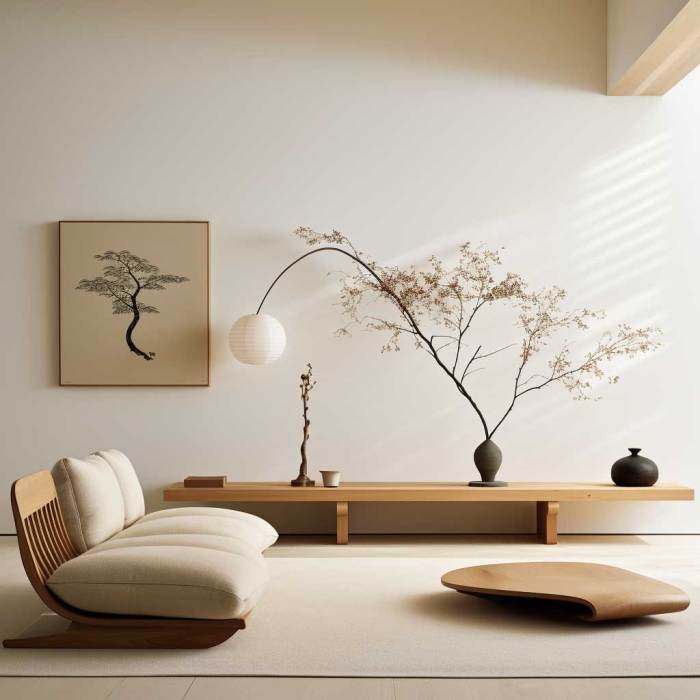
Compact living, a growing trend, necessitates a re-evaluation of furniture choices. Japanese design principles offer a blueprint for maximizing space and functionality, translating easily into smaller living spaces. Smart use of multi-functional furniture and carefully selected accessories can create a serene and stylish environment, fostering a sense of calm and spaciousness.
Small-Scale Furniture Pieces
Japanese design often prioritizes minimalism and functionality. This translates to furniture pieces that are not only aesthetically pleasing but also serve multiple purposes. Low-profile tables, ottomans that double as seating, and beds with built-in storage exemplify this philosophy. Compact sofas and armchairs, often featuring slipcovers for easy cleaning, also fit seamlessly into smaller apartments. Consider pieces with hidden compartments for storing linens or extra items, optimizing the use of every inch.
Multi-Functional Furniture
Furniture can be designed for multiple uses, creating a dynamic living space. A coffee table with a removable top that reveals storage beneath, for instance, seamlessly transitions from a casual gathering area to a functional workspace. A daybed that converts into a guest bed is a practical solution for apartments with limited guest room space. Modular furniture, with its ability to be rearranged, is another effective strategy for optimizing space.
Japanese-Inspired Accessories
Traditional Japanese accessories, like shoji screens or minimalist vases, can enhance the aesthetic appeal of a compact space. These pieces, often made from natural materials like bamboo or wood, blend seamlessly with modern interiors. The use of natural light and carefully placed greenery can create a tranquil ambiance. Japanese-inspired artwork, such as calligraphy or minimalist prints, adds a touch of elegance and sophistication.
Textiles
Textiles play a vital role in creating atmosphere and warmth in a compact space. Choosing light-colored fabrics can visually expand the room. Natural fibers like linen or cotton are preferred for their breathability and comfort. Area rugs, often made from tatami mats or similar materials, add texture and define spaces without overwhelming the room. Selecting textiles with a calming color palette, such as muted tones or natural earth colors, can create a serene environment.
Materials and Environmental Impact
The materials used in furniture construction significantly impact the environment. Sustainable choices, such as reclaimed wood or bamboo, are crucial for minimizing environmental impact. Solid wood furniture, while potentially more expensive, often lasts longer than particleboard or MDF. Natural materials are often better for indoor air quality. Consider the origin and manufacturing process of materials to minimize your environmental footprint.
Comparison of Traditional and Modern Japanese Furniture
| Feature | Traditional Japanese Furniture | Modern Adaptations for Compact Spaces | Comparison |
|---|---|---|---|
| Material | Typically wood (e.g., cedar, cherry) | Sustainable wood, bamboo, or engineered wood to prioritize durability and cost-effectiveness. | Modern options prioritize cost-effectiveness and sustainability. |
| Design | Simple, minimalist, often low to the ground | Simplified designs, with emphasis on space-saving features like hidden storage and low profiles. | Modern designs directly address the needs of compact living. |
| Size | Can be larger, though smaller pieces exist | Smaller, highly functional, often multi-purpose. | Modern adaptations are specifically tailored to smaller spaces. |
| Functionality | Often single-purpose | Multi-purpose and space-saving. | Modern adaptations prioritize maximizing the function of each piece. |
Living Spaces and Room Organization
Japanese-style compact living prioritizes maximizing space and functionality. This approach transcends mere minimalism; it’s a philosophy that integrates aesthetic harmony with practical efficiency. The emphasis is on creating a serene and uncluttered environment where every element serves a purpose. This requires thoughtful room organization, strategic furniture choices, and a deep understanding of Japanese design principles.Compact living necessitates a meticulous approach to room organization, blending aesthetics with practicality.
The goal is to create a space that feels both spacious and thoughtfully curated. This involves carefully selecting furniture and accessories, optimizing storage solutions, and strategically positioning elements to maximize the available area.
Bedroom Organization
Japanese bedrooms often feature low-profile beds and built-in storage solutions. This allows for the creation of a sense of spaciousness while maintaining a high degree of functionality. Folding screens or sliding doors can be incorporated to create zones within the room, separating sleeping and work areas. Essential elements include a comfortable futon, a simple bedside table, and storage solutions like drawers or shelves integrated into the furniture.
The use of natural materials like wood and bamboo is common, promoting a connection with nature and contributing to the overall aesthetic.
Kitchen Organization
Compact Japanese kitchens often utilize vertical space efficiently. Cabinets and shelves are maximized for storage, with open shelving for display. Counter space is minimized, and appliances are often integrated or concealed. A common feature is the use of a small, but efficient, island or counter extension. Essential items include a compact refrigerator, a built-in microwave, and ample storage solutions for cookware and utensils.
The focus is on a streamlined workflow, with every item having a designated space.
Living Room Organization
Japanese living rooms emphasize the concept of “zazen,” a state of mindful awareness. This translates into a space that fosters relaxation and contemplation. Low seating, such as tatami mats or cushions, is often employed. Multifunctional furniture is key; a sofa bed, for example, can serve multiple purposes. Natural light is prioritized, and walls are kept uncluttered to maintain a sense of spaciousness.
Essential items include a low coffee table, comfortable seating, and a decorative element or two that connect with nature.
Bathroom Organization
Compact Japanese bathrooms are known for their efficiency and functionality. Space-saving fixtures are crucial, including compact toilets and sinks. The use of vertical storage solutions is a must. Mirrors are often strategically placed to create an illusion of space. Essential items include a shower stall, a sink, and a small vanity with storage.
The aesthetic often incorporates natural materials and minimalist design elements.
Room Layouts and Advantages for Compact Living
| Room Layout | Advantages for Compact Living |
|---|---|
| Multi-functional Bedroom | Combines sleeping, working, and storage areas, optimizing space in small apartments. |
| Open-concept Kitchen-Living Area | Creates a sense of spaciousness by eliminating physical barriers between the kitchen and living room. |
| Vertical Storage in Bathrooms | Maximizes space utilization by making the most of vertical space in a compact bathroom. |
| Minimalist Furniture | Reduces clutter and maximizes the available space by using low-profile furniture and multi-functional items. |
Lighting and Acoustics
Compact Japanese-style living prioritizes maximizing the perceived space and creating a tranquil atmosphere. Natural light and carefully considered acoustics play crucial roles in achieving this. Strategic use of light and sound design can transform a small living area into a serene and inviting sanctuary.Japanese aesthetics emphasize harmony with nature. Maximizing natural light, a cornerstone of Japanese design, fosters a sense of spaciousness and connection to the outdoors.
Ambient lighting, carefully selected fixtures, and soft illumination create a soothing ambiance that complements the minimalist style, ultimately enhancing the overall living experience.
Natural Light and Spaciousness
Natural light is paramount in compact spaces. Large windows or strategically placed skylights allow sunlight to flood the interior, creating a sense of openness and airiness. This maximizes the perception of space, making the area feel larger than its actual dimensions. Careful consideration of window placement and the use of sheer curtains or blinds allows light to filter in without compromising privacy.
This interplay of light and shadow creates depth and dimension, further enhancing the sense of space.
Ambient Lighting for Aesthetic Appeal
Ambient lighting plays a crucial role in setting the mood and enhancing the aesthetic appeal of the space. Soft, diffused lighting from recessed spotlights or strategically positioned pendant lights creates a warm, inviting atmosphere. This indirect illumination highlights architectural features, furniture, and artwork without harsh shadows, maintaining a harmonious balance within the compact living space. Warm-toned lighting (e.g., 2700-3000K) is preferred for its cozy and welcoming effect.
Soft Lighting and Mood Enhancement
Soft lighting, such as table lamps or floor lamps with warm-toned bulbs, plays a key role in creating a calming atmosphere. This subtle illumination focuses on specific areas, creating cozy nooks and enhancing the ambiance. The use of dimmers allows for adaptable lighting levels, catering to various needs and moods throughout the day. Dim lighting promotes relaxation and helps establish a serene atmosphere.
Sound Control and Peaceful Environments
Controlling sound is crucial in a compact space to foster a peaceful atmosphere. Sound-absorbing materials, such as rugs, curtains, and acoustic panels, are effective in reducing echoes and reverberations. Consider using rugs with thick textures to dampen sound reflections. Appropriate room dividers and partitions can also be used to minimize noise transfer between different areas. Carefully selecting furniture with soft, upholstered surfaces can also aid in absorbing sound.
Lighting Fixtures for Japanese Aesthetics
Japanese-style lighting fixtures often feature minimalist designs, emphasizing clean lines and natural materials. Paper shades, bamboo-inspired lamps, and understated metal fixtures complement the aesthetic. Pendant lights with simple, elegant forms are popular choices for dining areas or living rooms. The fixtures should harmonize with the overall design palette and avoid overly ornate or distracting elements. A simple, understated aesthetic is key.
Interplay of Lighting, Acoustics, and Ambiance
The relationship between lighting, acoustics, and ambiance is intrinsically linked. Strategic use of light and sound control creates a harmonious environment. Soft lighting, diffused and warm, combined with sound-absorbing materials, creates a serene and inviting atmosphere. This approach promotes relaxation and creates a sense of tranquility within the compact living space. The interplay between light, sound, and the overall design fosters a cohesive and harmonious living experience.
Outdoor Spaces (if applicable)
Compact living, a growing trend, often necessitates maximizing every inch of space, including the outdoor areas. Japanese design principles, renowned for their aesthetic harmony and efficient use of space, offer valuable insights for creating serene and functional outdoor sanctuaries, even in the smallest of urban plots. By incorporating elements of Japanese gardens, homeowners can foster a connection with nature, enhancing the overall living experience.Japanese design philosophy emphasizes the integration of nature into the built environment.
Outdoor spaces, even modest ones, can be transformed into tranquil oases that reflect the essence of Japanese aesthetics. This involves mindful selection of materials, plants, and landscaping techniques to achieve a sense of balance and harmony with the surrounding environment.
Incorporating Japanese Garden Elements into Compact Outdoor Spaces
Japanese gardens, renowned for their minimalist elegance, emphasize natural elements like water, stone, and plants. Replicating these elements in a compact outdoor space can create a sense of serenity and tranquility. Consider incorporating a small, carefully designed water feature, such as a shallow stone basin or a cascading miniature waterfall, to mimic natural water flows. Stones of varying sizes and textures, strategically placed, can represent mountains or islands, adding depth and visual interest.
Native or drought-tolerant plants, carefully chosen for their aesthetic appeal and low-maintenance requirements, are essential to achieving the desired tranquil atmosphere.
Maximizing Outdoor Space for Relaxation and Connection with Nature
Maximizing a small outdoor space for relaxation and connection with nature hinges on careful planning and thoughtful design. The use of vertical gardening techniques, such as trellises or hanging planters, can maximize space utilization without sacrificing visual appeal. Creating defined zones within the space, such as a seating area, a contemplative zone, or a small garden, can enhance the sense of calm and privacy.
Thoughtful placement of furniture and lighting can optimize the space for relaxation, providing areas for contemplation and enjoyment.
Use of Plants and Landscaping to Create a Calming Atmosphere
The selection of plants plays a critical role in establishing a calming atmosphere in a compact outdoor space. Native plants, known for their adaptability and resilience, are often ideal choices. Consider using plants with varying textures, colors, and heights to create visual interest and depth. The arrangement of plants should be harmonious, with a focus on balance and proportion.
Consider using carefully pruned shrubs and strategically placed trees to create a sense of enclosure and privacy. The judicious use of flowering plants can add pops of color without overwhelming the space.
Use of Natural Materials in Outdoor Furniture and Decor
Natural materials, such as bamboo, wood, and stone, are central to the aesthetic of Japanese gardens. Using these materials in outdoor furniture and decor creates a harmonious connection with the surrounding environment. Bamboo furniture, known for its strength and elegance, can be a beautiful addition to a compact outdoor space. Wooden benches or tables, crafted from sustainable sources, offer both functionality and aesthetic appeal.
Incorporating natural stone elements in the form of pathways or small water features further emphasizes the natural ambiance.
Examples of Small-Scale Japanese-Inspired Gardens
Numerous examples exist of small-scale Japanese-inspired gardens that demonstrate the principles of simplicity and elegance. These gardens often feature meticulously arranged rocks, carefully chosen plants, and tranquil water features, all designed to evoke a sense of peace and serenity. A garden featuring a small Zen rock garden with a few strategically placed stones and a miniature waterfall can create a focal point.
A small herb garden, designed with carefully selected plants arranged in a pleasing pattern, can offer both aesthetic beauty and practical use.
Landscaping Techniques for Compact Outdoor Areas
| Landscaping Technique | Description | Application in Compact Areas | Example |
|---|---|---|---|
| Vertical Gardening | Utilizing vertical space for planting, often using trellises, walls, or hanging planters. | Maximizes space utilization, adds visual interest. | Using a trellis to grow climbing vines or herbs. |
| Minimalist Planting | Using a limited number of carefully chosen plants to create a balanced and harmonious look. | Avoids overcrowding and maintains a sense of calm. | A small Zen garden with a few strategically placed rocks and plants. |
| Natural Stone Pathways | Creating pathways using stones of varying sizes and textures. | Adds visual interest and defines zones within the space. | A winding path using river stones leading to a seating area. |
| Water Features | Incorporating small water features like fountains or basins. | Creates a calming atmosphere and adds a sense of tranquility. | A small stone basin with a gentle trickle of water. |
Materials and Sustainability

Compact living, by its nature, prioritizes efficiency and space optimization. However, this doesn’t preclude a commitment to environmental responsibility. Sustainable materials play a crucial role in creating a livable and responsible compact space, minimizing environmental impact from construction and reducing the overall footprint.A core tenet of Japanese design philosophy,shibui*, emphasizes the beauty found in simplicity and natural materials.
This ethos translates seamlessly into compact living, where the selection of materials directly impacts both aesthetic appeal and ecological consciousness. The choice of materials directly impacts the space’s longevity and its contribution to a healthier, more sustainable future.
Sustainable Material Selection
Selecting sustainable materials for compact living is essential. These materials often offer a unique blend of durability and environmental consciousness. Choosing eco-friendly options is increasingly critical for both the aesthetic appeal and the environmental impact of a space.
- Bamboo: A rapidly renewable resource, bamboo boasts exceptional strength and versatility. Its lightweight nature is ideal for furniture and flooring, reducing the overall weight of the structure. The quick growth cycle of bamboo minimizes the need for extensive land clearing, reducing the environmental footprint associated with conventional timber harvesting. Bamboo is a low-maintenance material, minimizing upkeep and maximizing its longevity in compact living spaces.
- Recycled Wood: Reusing wood salvaged from demolition or other sources is a powerful statement in sustainability. Recycled wood offers a unique character, adding a touch of history and authenticity to a space. The environmental benefits of reducing waste are undeniable. The potential for aesthetic appeal through reclaimed wood patterns is significant and can be a defining feature in compact spaces.
- Natural Fibers: Materials like linen, hemp, and jute provide a natural warmth and texture. These fibers are often biodegradable and require less energy to produce than synthetic alternatives. Their inherent breathability can be a key feature in a compact living space, helping maintain a comfortable indoor environment. The reduced use of harsh chemicals during production contributes to a healthier indoor air quality.
Environmental Benefits
The use of sustainable materials yields a cascade of environmental advantages. These benefits extend beyond the material itself to the entire life cycle of the space.
- Reduced Carbon Footprint: Sustainable materials often require less energy to produce, resulting in a lower carbon footprint compared to conventional options. This is especially important in compact living spaces where the overall impact of the materials used can be amplified.
- Reduced Waste: Using recycled materials significantly reduces the amount of waste sent to landfills. This conservation effort directly contributes to environmental protection.
- Resource Conservation: Renewable resources like bamboo require less water and land to cultivate than traditional lumber, conserving natural resources for future generations.
Sourcing Sustainable Materials
Identifying reliable sources for sustainable materials is crucial for minimizing environmental impact.
- Local Suppliers: Supporting local suppliers reduces transportation emissions and strengthens local economies. Local suppliers can offer a deeper understanding of material origins and production practices.
- Certified Products: Look for products with certifications from organizations dedicated to sustainable forestry and material sourcing. These certifications provide assurance of ethical and environmentally responsible practices.
- Transparency: Demand transparency from suppliers regarding the origin, production methods, and environmental impact of the materials.
Responsible Consumption
In compact living, responsible consumption takes on heightened importance. Maximizing the lifespan of items and minimizing waste becomes a crucial aspect of minimizing environmental impact.
- Durability: Choosing durable materials is crucial. This ensures items last longer, minimizing the need for frequent replacements and the associated environmental burden.
- Repair and Repurpose: Develop a habit of repairing and repurposing items rather than immediately replacing them. This strategy extends the life cycle of items, thereby reducing waste.
- Minimalism: A minimalist approach to design and consumption minimizes the overall need for materials. This philosophy directly reduces the demand for new items, and thus lessens the environmental impact of production.
Material Comparison
The following table compares the environmental impact of common materials used in compact living spaces.
| Material | Carbon Footprint (Estimated kg CO2e/unit) | Water Usage (Estimated liters/unit) | Land Use (Estimated m²/unit) |
|---|---|---|---|
| Bamboo | 1.5 | 100 | 0.5 |
| Recycled Wood | 2.0 | 150 | 0.7 |
| Solid Wood (Tropical Hardwood) | 3.5 | 250 | 1.0 |
| Laminate | 4.0 | 120 | 0.6 |
Note: These figures are estimates and can vary based on specific production methods and sourcing locations.
Budget Considerations

Compact Japanese-style living, celebrated for its efficiency and aesthetic appeal, can be surprisingly affordable. The key lies in strategic planning and a resourceful approach. By prioritizing essential elements and embracing DIY projects, one can achieve a beautiful and functional living space without exorbitant costs.
Affordability of Compact Japanese-Style Living
Budget-conscious individuals can readily embrace the principles of compact Japanese living. Careful selection of materials, DIY projects, and repurposing existing items can significantly reduce expenses. This approach emphasizes functionality over extravagance, aligning with the core values of Japanese design. Using readily available, budget-friendly materials, such as reclaimed wood or readily available alternatives, can create a unique and stylish space without breaking the bank.
Budget-Friendly Approach
A key to achieving an affordable Japanese-style living space is a conscious approach to spending. Prioritizing essential items over decorative ones allows for a focused and economical implementation. For example, purchasing a basic, functional Japanese-style table rather than a highly ornate one can save money without compromising the overall aesthetic.
DIY Projects and Repurposing
DIY projects play a vital role in a budget-friendly implementation. Repurposing old furniture or finding creative ways to use inexpensive materials can significantly reduce costs. For example, transforming an old dresser into a storage unit or building shelves from reclaimed wood can add character and save money compared to buying new furniture. Creating simple, yet stylish, lighting fixtures from recycled materials can be a significant cost-saving measure.
Affordable Japanese-Inspired Furniture and Accessories
Numerous resources are available for finding budget-friendly Japanese-inspired furniture and accessories. Online marketplaces, thrift stores, and local artisans often offer unique and affordable options. For instance, checking online marketplaces like Etsy or Craigslist can yield a treasure trove of items with a Japanese aesthetic. Furthermore, exploring local craft fairs and markets can provide access to unique, handcrafted pieces at reasonable prices.
Incorporating Japanese Aesthetics Without Breaking the Bank
Achieving a Japanese aesthetic without exceeding the budget involves thoughtful choices and an understanding of the core principles of the style. The emphasis on minimalism and functionality allows for creative solutions that enhance the space without the need for costly items. For example, simple bamboo screens can create visual interest and divide spaces effectively without significant expenditure. Similarly, natural materials like wood and stone, often available at lower costs, can contribute to the desired aesthetic.
Budget Breakdown
| Category | Low Budget | Mid-Range Budget | High Budget |
|---|---|---|---|
| Furniture | Repurposed/DIY | Used, secondhand | Custom-made, high-quality |
| Decor | Natural elements (bamboo, stone) | Japanese-inspired prints, artwork | Hand-crafted items, antiques |
| Materials | Reclaimed wood, inexpensive paint | High-quality wood, natural stones | Premium materials, exotic woods |
| Labor (DIY) | Self-performed | Minor assistance from others | Professional help for complex projects |
Cultural Sensitivity and Appreciation
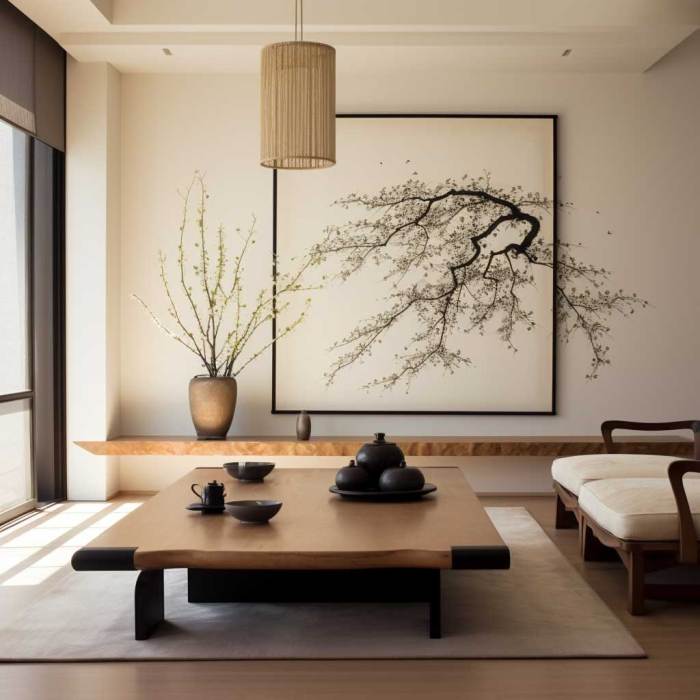
Embracing Japanese compact living extends beyond the practical; it deeply intertwines with a rich cultural heritage. Respecting the aesthetic principles and symbolism inherent in Japanese design is crucial for authentically incorporating these elements into one’s home. This involves a careful consideration of tradition and avoiding cultural appropriation.Understanding the nuances of Japanese design goes beyond mere imitation; it necessitates a genuine appreciation for the philosophy behind the aesthetics.
This philosophy often prioritizes harmony with nature, minimalism, and a deep respect for craftsmanship.
Cultural Significance of Japanese Aesthetics
Japanese aesthetics, particularly in compact living, are deeply rooted in a philosophy of “wabi-sabi,” which embraces imperfection, impermanence, and the beauty of natural materials. This philosophy emphasizes the appreciation of understated elegance and functionality. This approach is often manifested in the use of natural light, simple forms, and the integration of nature within the home. Furthermore, the emphasis on “ma” – the empty space – highlights the importance of allowing for quiet contemplation and tranquility.
These concepts contribute to a sense of calm and serenity in a compact living space.
Importance of Respecting Japanese Design Principles
Respecting Japanese design principles is essential to avoid misinterpreting or misrepresenting the cultural values embedded within them. This includes acknowledging the historical and cultural context of each design element, ensuring accurate representation of the intended meaning, and avoiding overly simplistic or superficial interpretations. It is about understanding the depth of the design philosophy rather than merely mimicking surface aesthetics.
Understanding the Context and Symbolism of Japanese Elements
Many Japanese design elements carry specific symbolism. For example, the use of bamboo often represents strength and flexibility, while cherry blossoms signify the ephemeral beauty of life. Understanding these meanings allows one to appreciate the deeper layers of the design and avoid unintentional misinterpretations. The use of specific colours or patterns, such as the iconic Japanese “tatami” mats, should be studied to understand their cultural context and significance before integrating them into a design.
This requires research and genuine curiosity.
Examples of How to Appreciate and Respect Japanese Cultural Traditions
Authentic appreciation and respect for Japanese cultural traditions in compact living begin with a deep understanding of the history and philosophy behind each element. This includes researching the historical context of each design element and understanding the deeper meanings behind Japanese aesthetics. Furthermore, consulting with Japanese designers or cultural experts can provide valuable insights and ensure authenticity. Studying Japanese art and literature, and seeking out resources on Japanese design principles, can offer deeper understanding.
The use of natural materials, like wood and bamboo, and traditional colours can add an authentic touch without resorting to appropriation.
Resources for Learning More About Japanese Design and Culture
Numerous resources offer valuable insights into Japanese design and culture. Books, articles, and online resources provide detailed information about the historical context, philosophical underpinnings, and cultural significance of Japanese design principles. Visiting museums and galleries specializing in Japanese art and design can offer a tangible experience of the culture. Seeking guidance from Japanese design professionals can also ensure the project respects cultural sensitivities.
Examples of How to Avoid Cultural Appropriation
Cultural appropriation in compact living design often involves misrepresenting Japanese elements or applying them out of context. Carefully researching and understanding the cultural context behind each design element is paramount. Appropriating Japanese elements without a deep understanding of their significance can be problematic. Instead, seeking guidance from Japanese designers or cultural experts is a more respectful approach.
A mindful and inquisitive approach to understanding the symbolism and meaning of the elements is critical.
Final Conclusion
In conclusion, compact Japanese-style living offers a compelling blend of functionality and aesthetics. By understanding the core principles of space optimization, interior design, and furniture selection, individuals can create a beautiful and practical living space that maximizes comfort and minimizes clutter. This approach proves that living well doesn’t require vast square footage.
